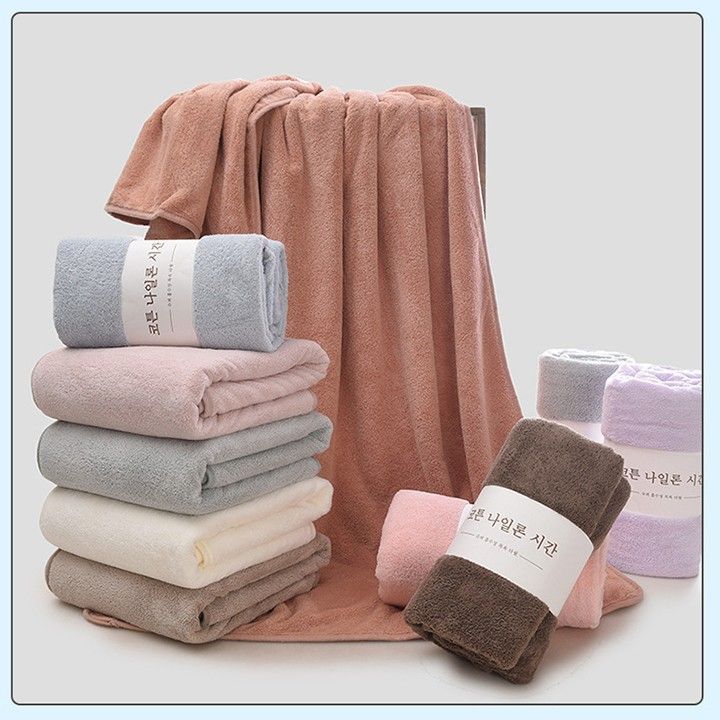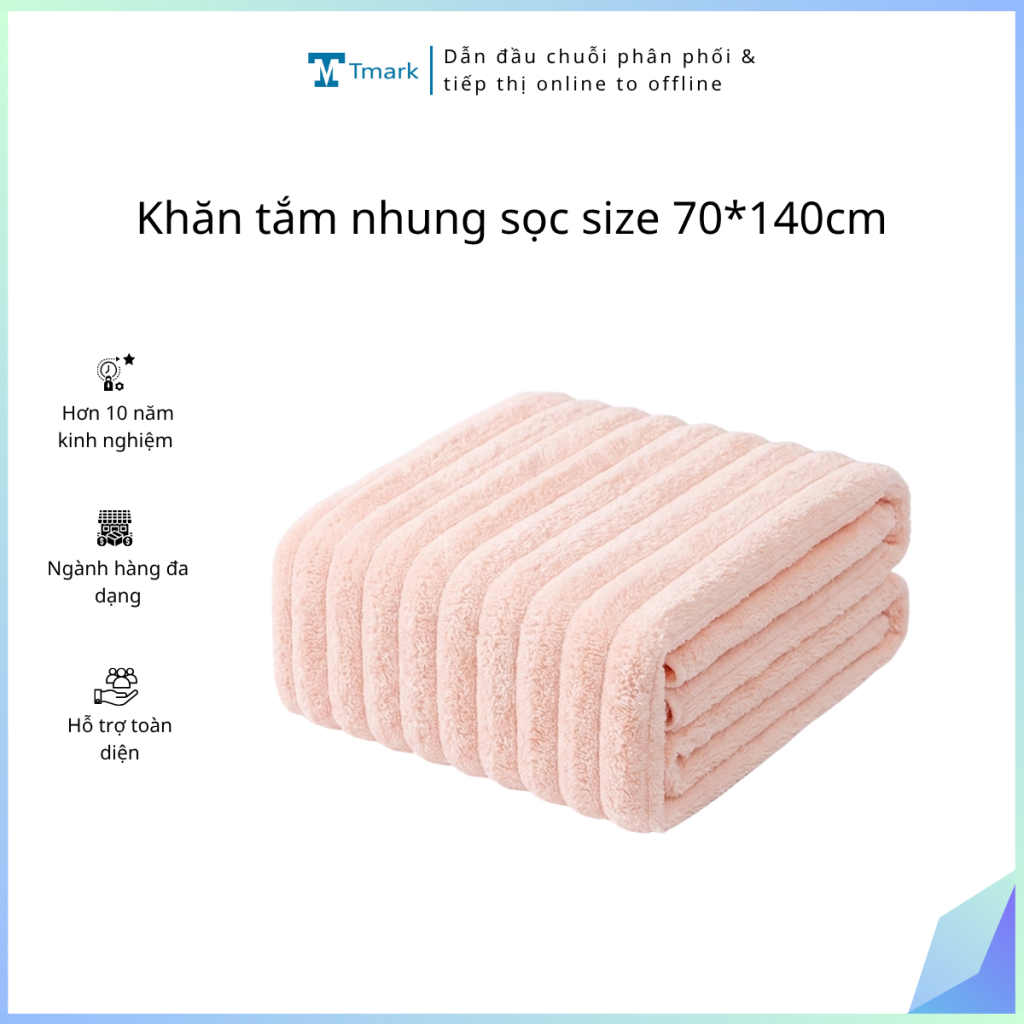
Bộ 2 khăn 70×140 và 35x75cm (Kiện 200 bộ)
Bộ 4 đế kê máy giặt silicon chống rung Tmark mẫu mới (Kiện 30 Bộ)
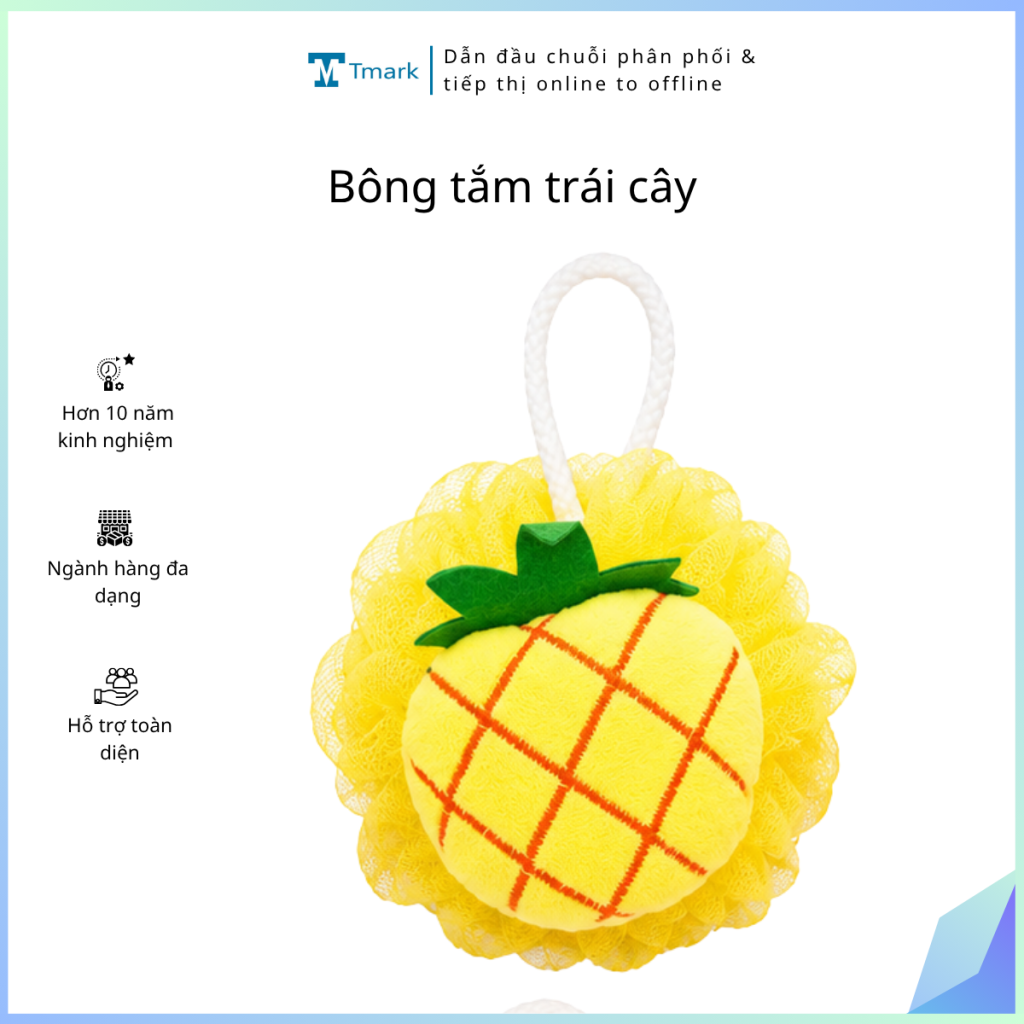
Bông tắm tạo bọt mềm mịn (kiện 200 cái) ( Bịch 25)
Bông tắm tròn (Kiện 300 cái) (Bịch 25)
Cọ chà toilet (Kiện 240 cái)
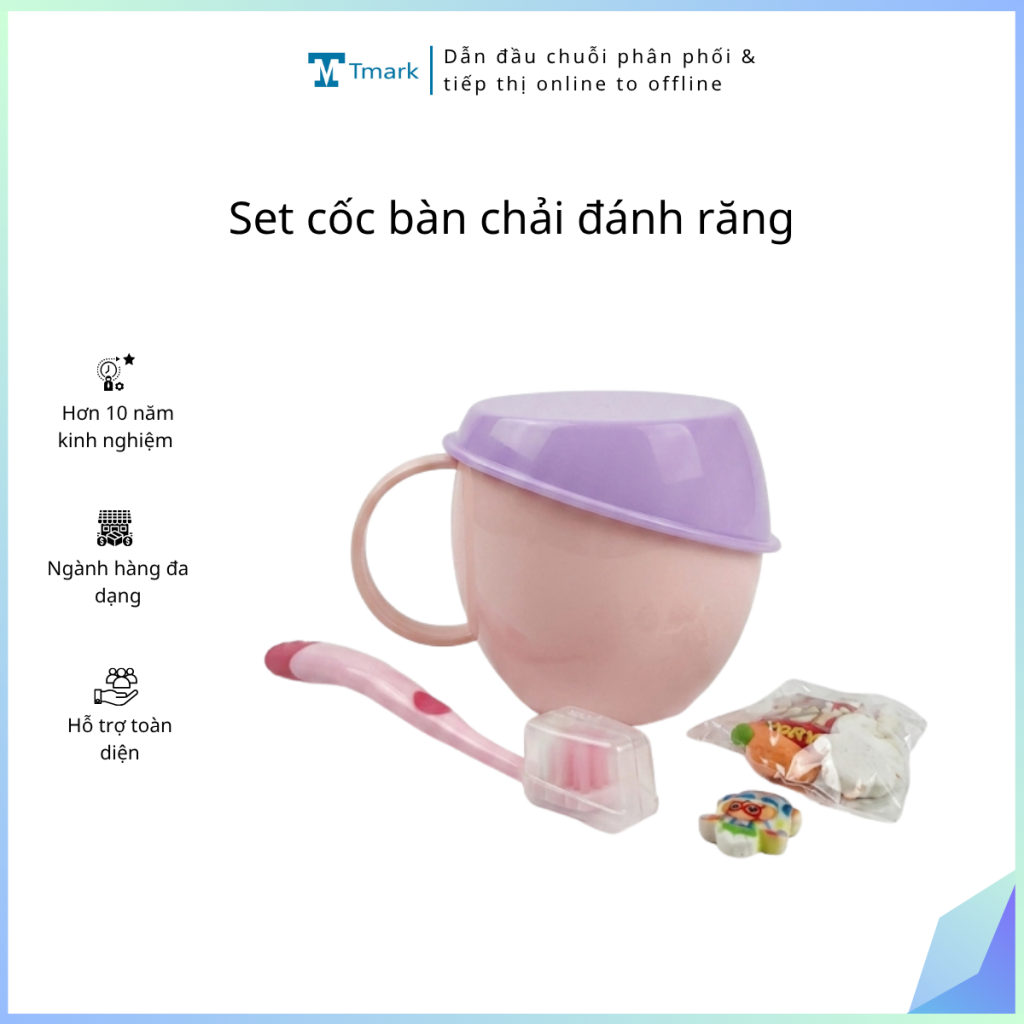
Cốc đựng bàn chải đánh răng hình gấu Tmark (Kiện 720 cái) -10 cái
Dụng cụ nạo lưỡi EQH Susu (kiện 432 cái)(đi theo hộp 24 cái)
Găng tay tắm tẩy tế bào chết (Kiện 1600 cái) – 24 cái
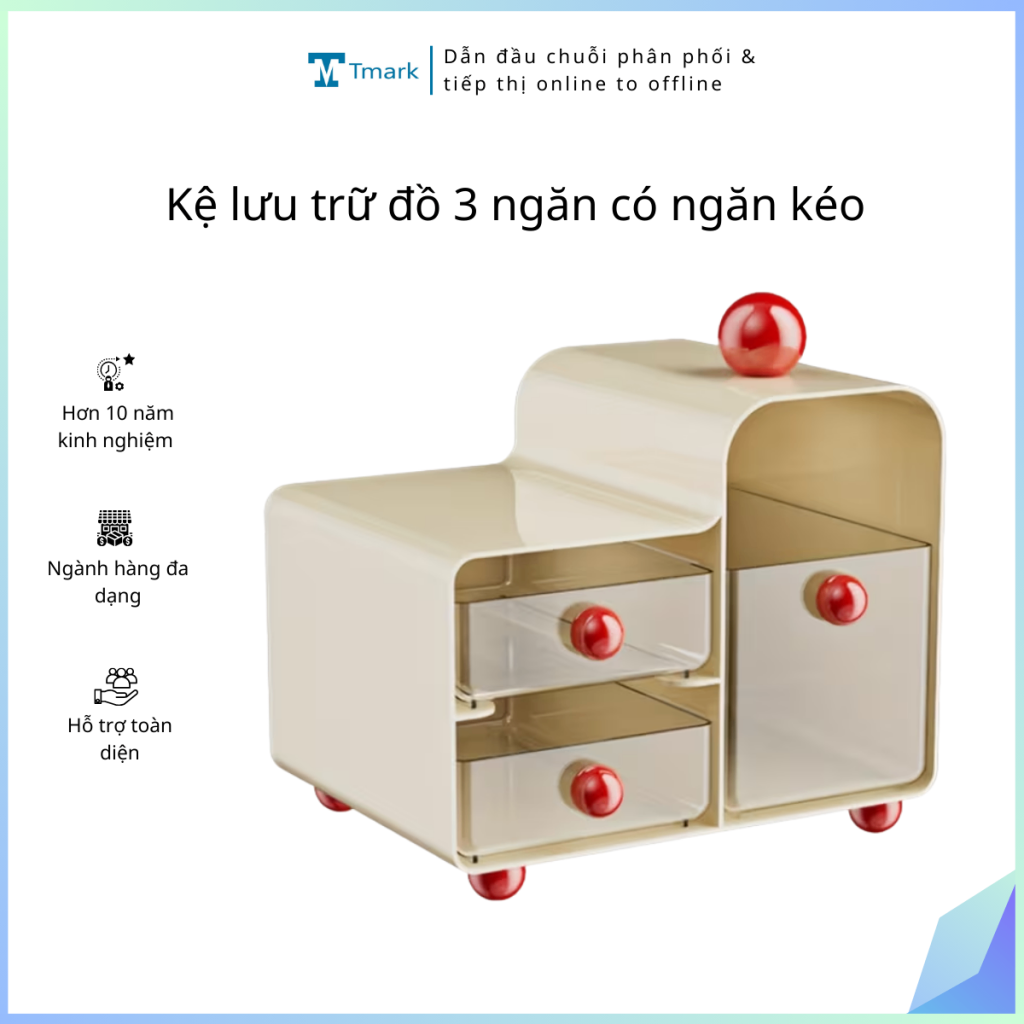
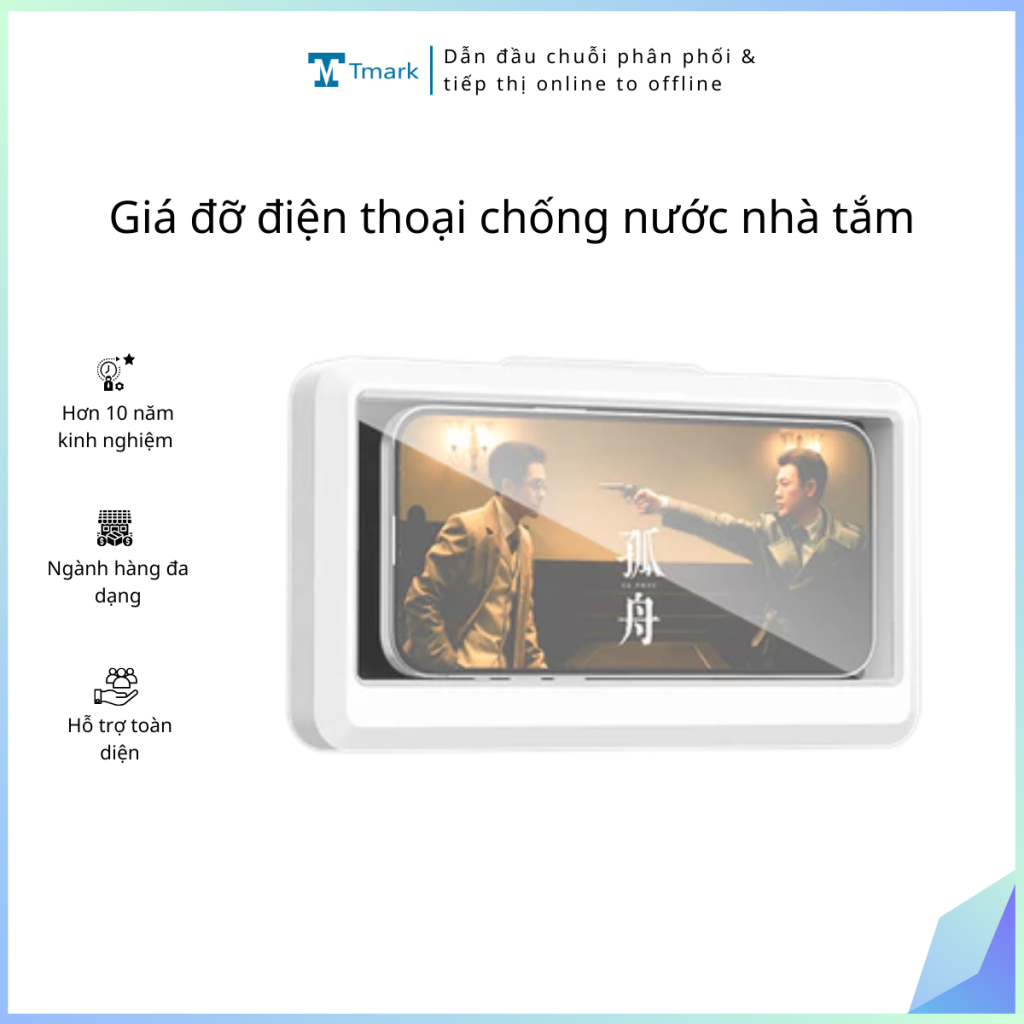
Giá đỡ máy sấy kèm hộp đựng đồ (Kiện 100 cái)
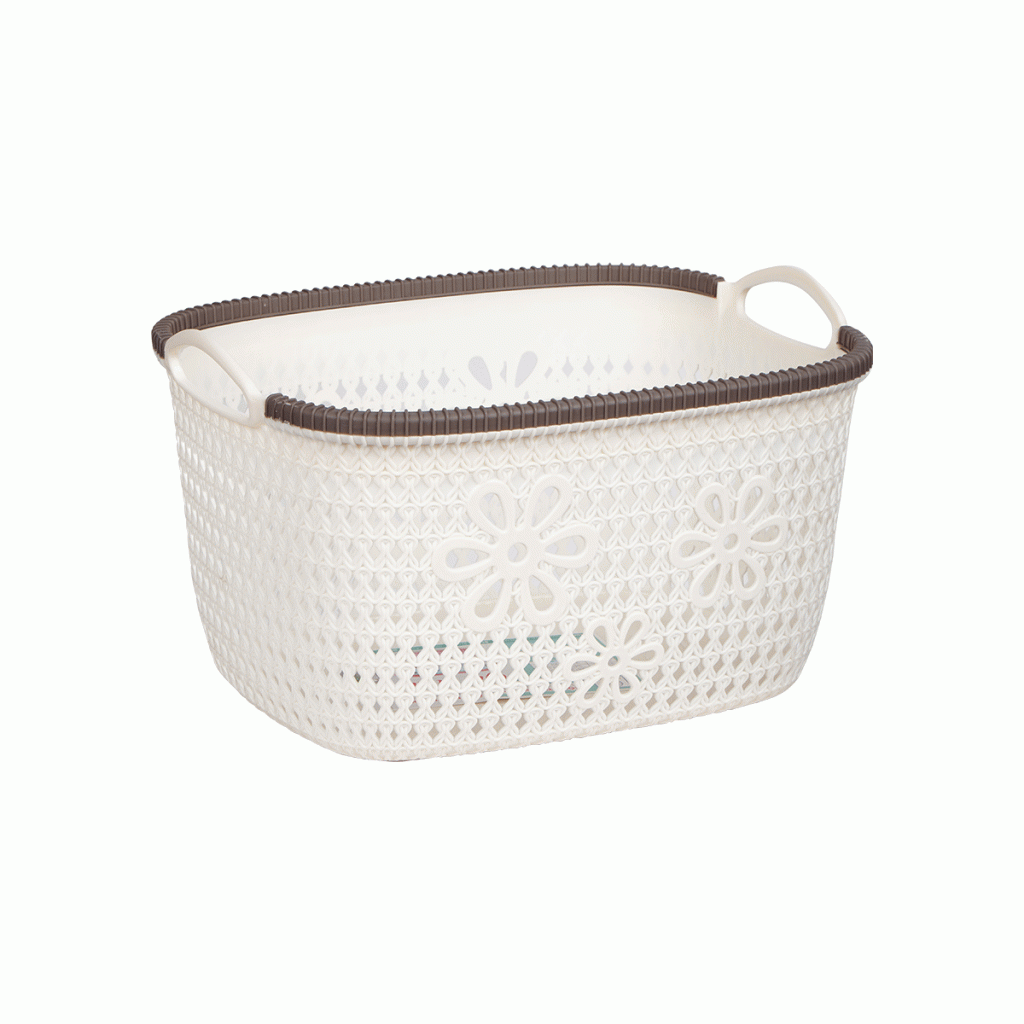
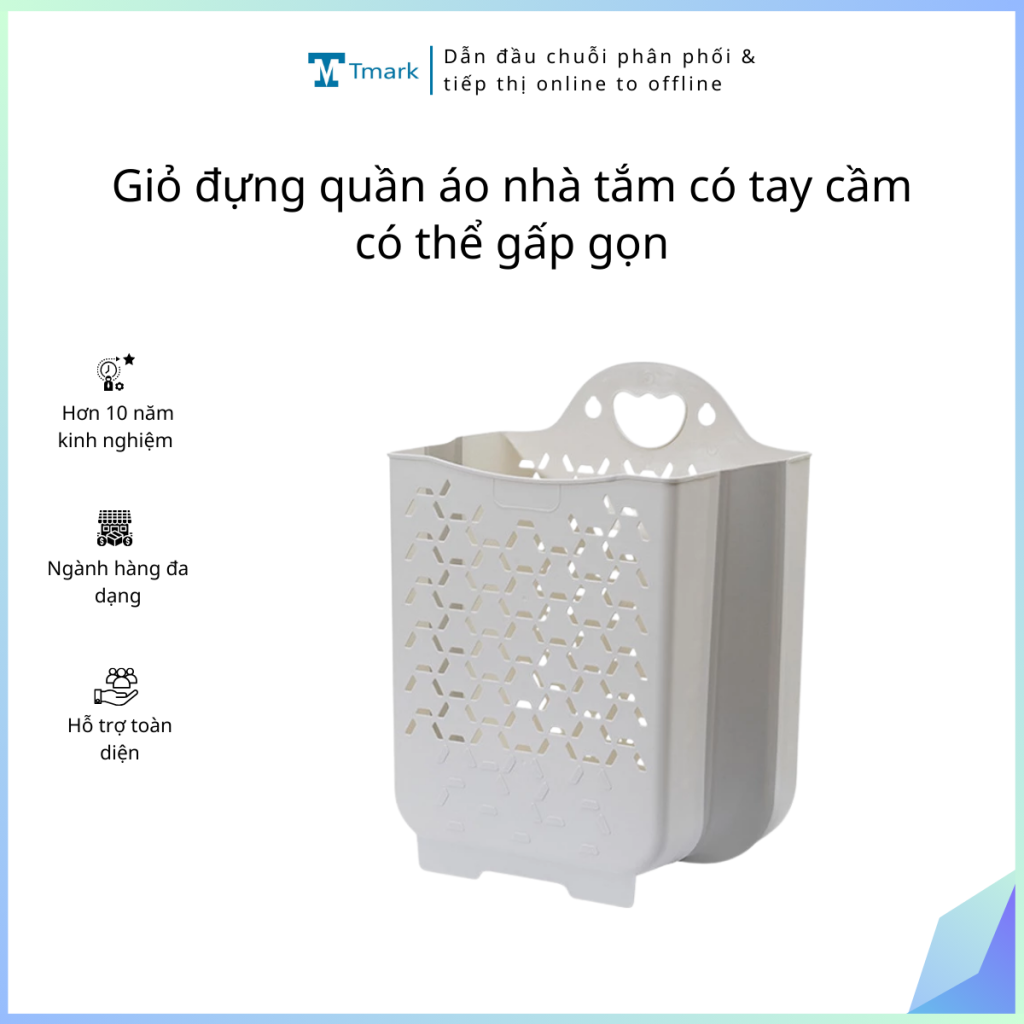
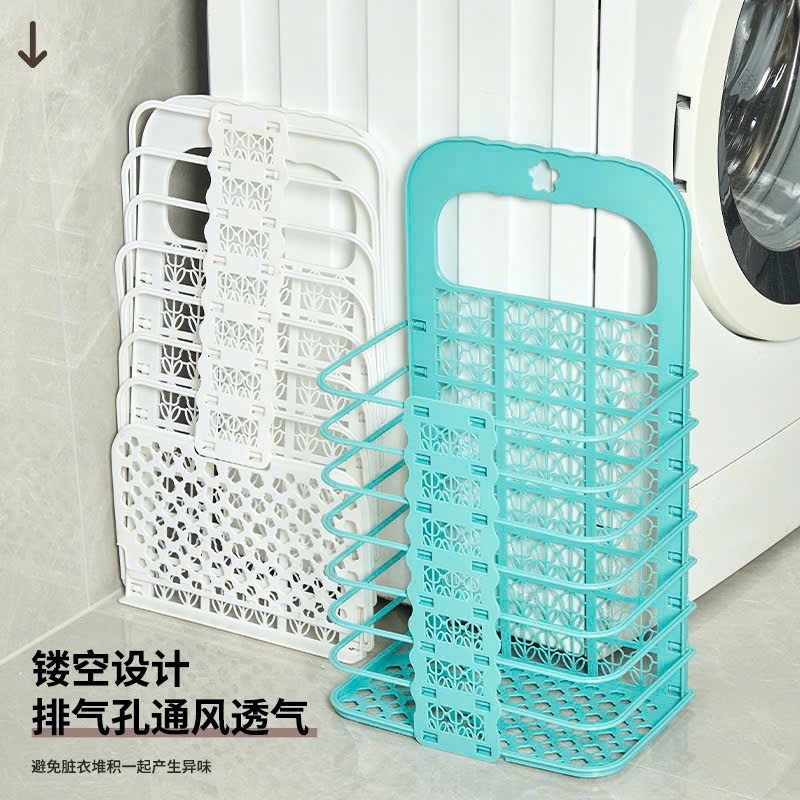
Giỏ đựng quần áo nhà tắm gấp gọn (Kiện 60 cái)
Hộp 5 bàn chải hình nơ (Kiện 110 bộ)
Hộp bàn chải du lịch hoạt hình (Kiện 220 cái)
Hộp đựng bàn chải đánh răng du lịch 3 ngăn Tmark (Kiện 240 cái)
Hộp đựng giấy treo tường thỏ ngồi (Kiện 60 cái)
Online store of household appliances and electronics
Then the question arises: where’s the content? Not there yet? That’s not so bad, there’s dummy copy to the rescue. But worse, what if the fish doesn’t fit in the can, the foot’s to big for the boot? Or to small? To short sentences, to many headings, images too large for the proposed design, or too small, or they fit in but it looks iffy for reasons.
A client that’s unhappy for a reason is a problem, a client that’s unhappy though he or her can’t quite put a finger on it is worse. Chances are there wasn’t collaboration, communication, and checkpoints, there wasn’t a process agreed upon or specified with the granularity required. It’s content strategy gone awry right from the start. If that’s what you think how bout the other way around? How can you evaluate content without design? No typography, no colors, no layout, no styles, all those things that convey the important signals that go beyond the mere textual, hierarchies of information, weight, emphasis, oblique stresses, priorities, all those subtle cues that also have visual and emotional appeal to the reader.