
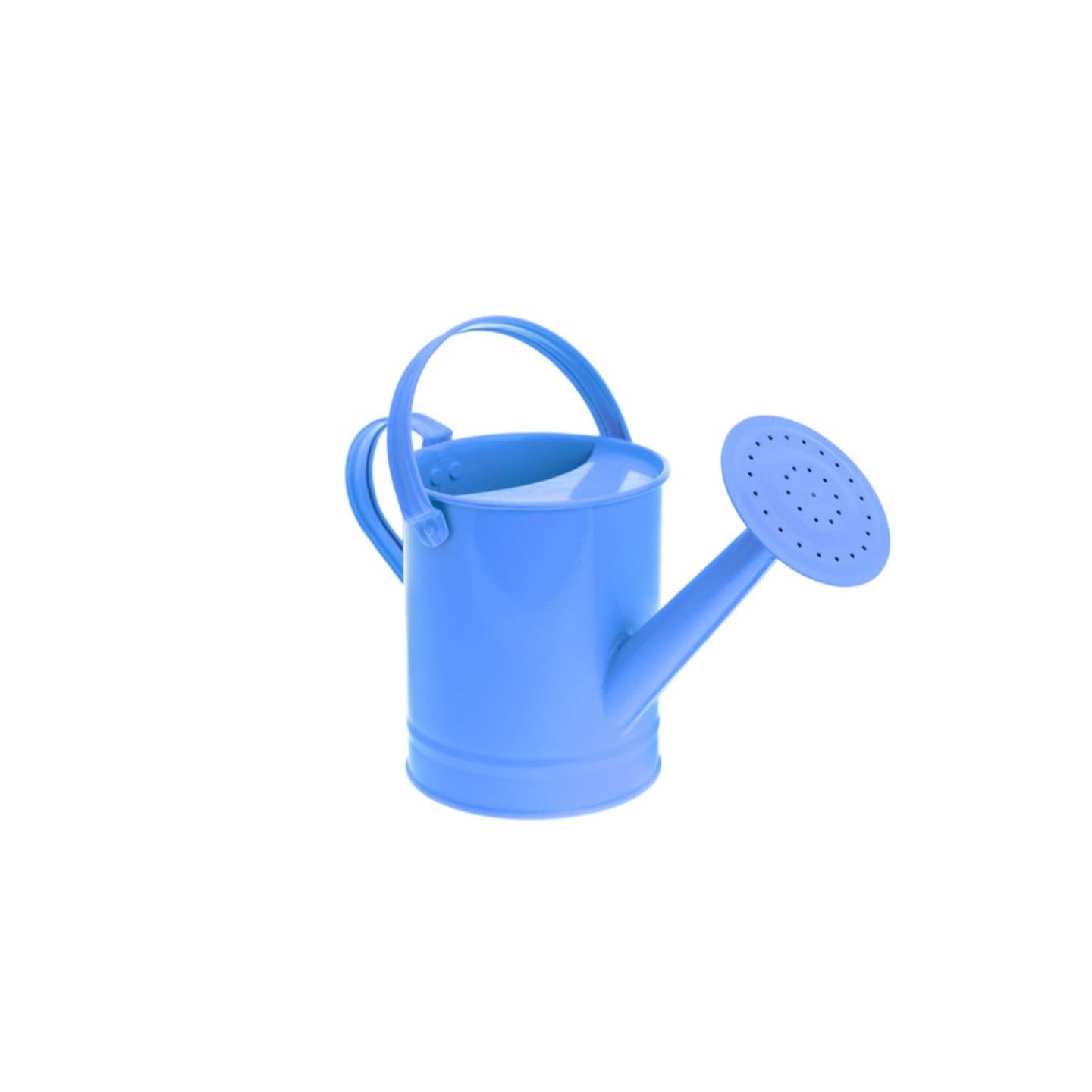

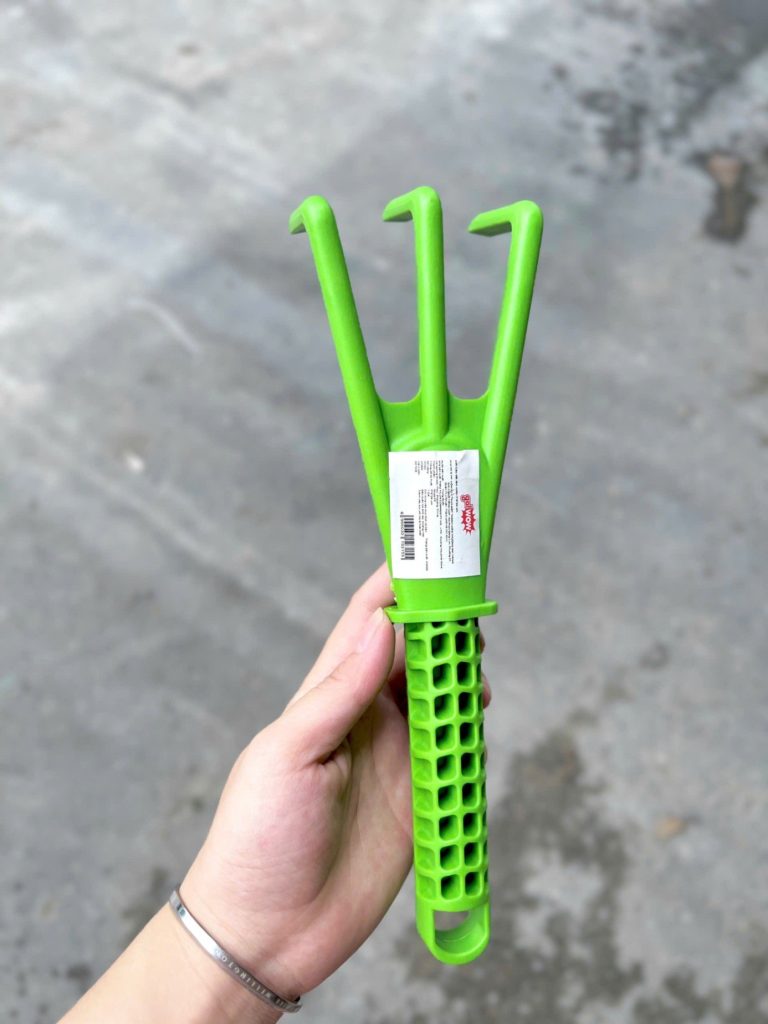
Cào xanh 3 chấu (kiện 308 cái)
Dụng cụ - công việc Sỉ công cụ - Vật liệu Công cụ - Vật liệu Sân vườn Sỉ đồ dùng sân vườn Dụng cụ - công việc>Sỉ công cụ - Vật liệu
Giá gốc là: 8.470 ₫.7.700 ₫Giá hiện tại là: 7.700 ₫.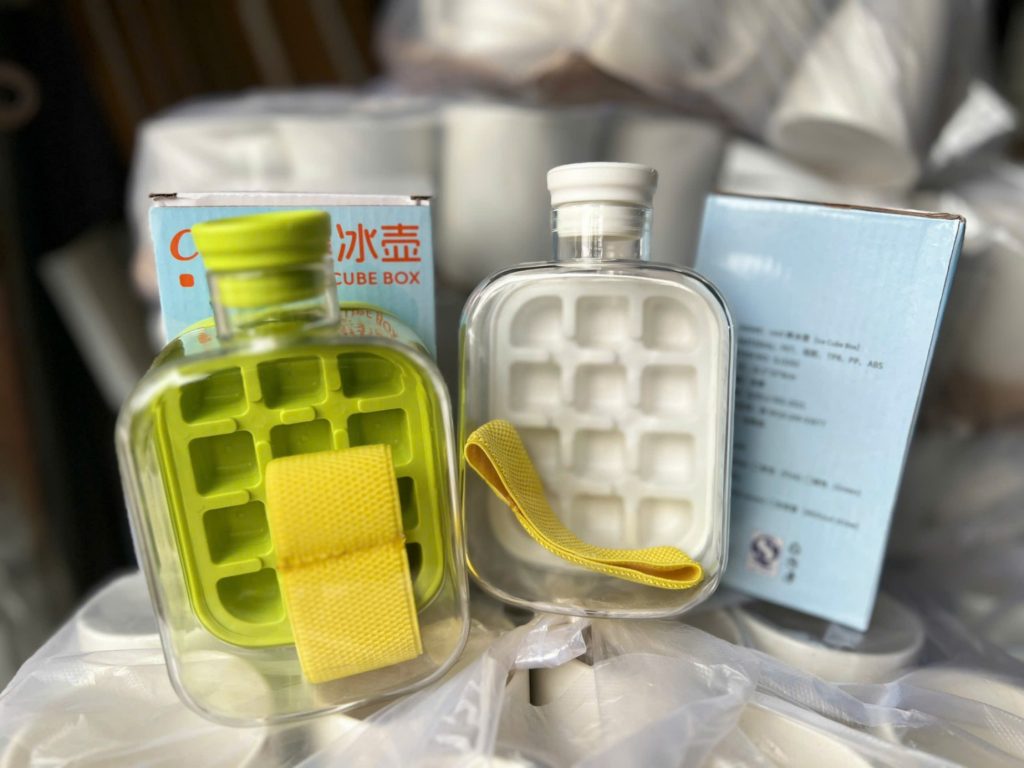
Chai làm đá viên 2 trong 1 (kiện 360 cái)
Giá gốc là: 29.590 ₫.26.900 ₫Giá hiện tại là: 26.900 ₫.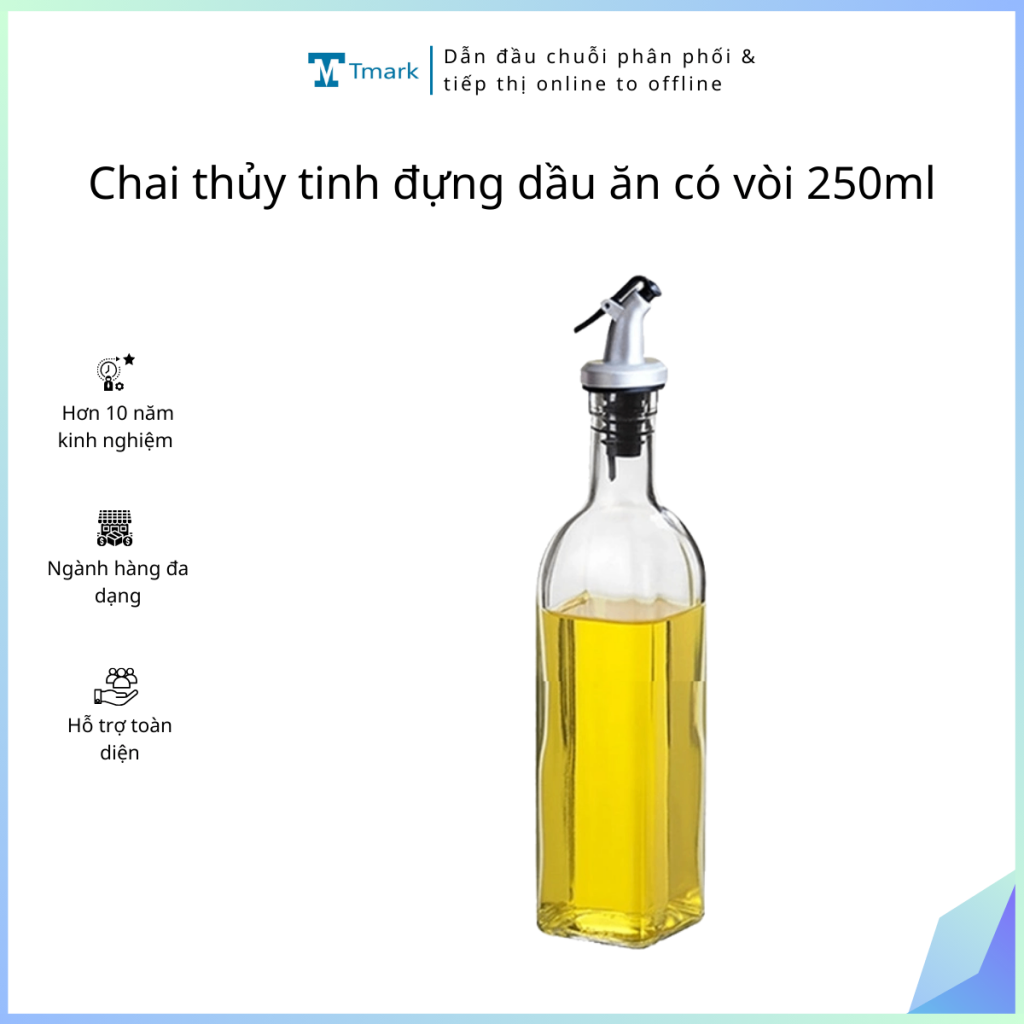
Chai thủy tinh đựng dầu ăn có vòi 250ml (Kiện 60 cái)(Hàng nguyên kiện)
Giá gốc là: 12.200 ₫.11.500 ₫Giá hiện tại là: 11.500 ₫.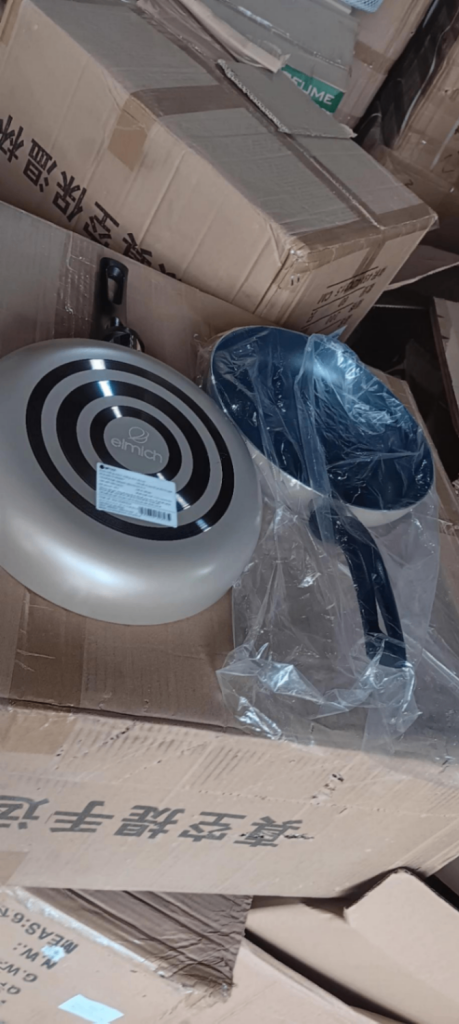
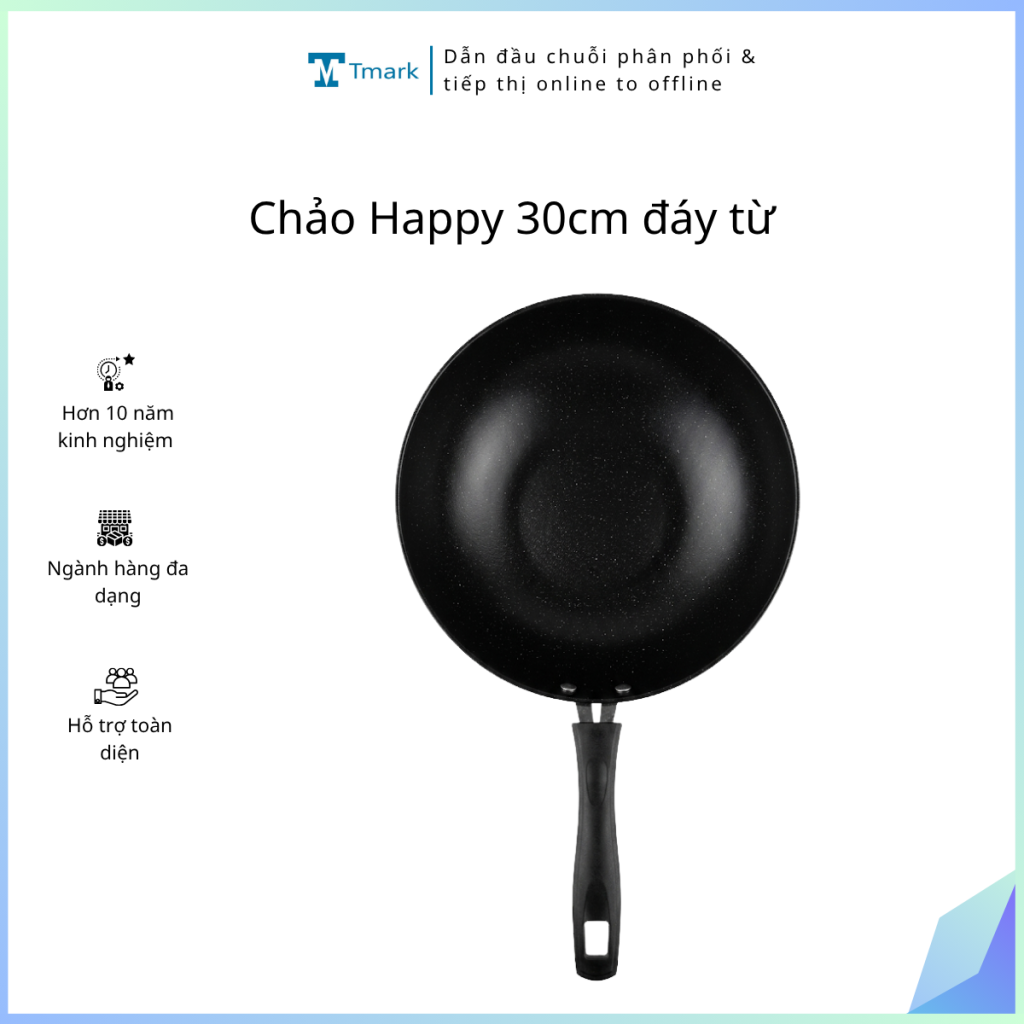
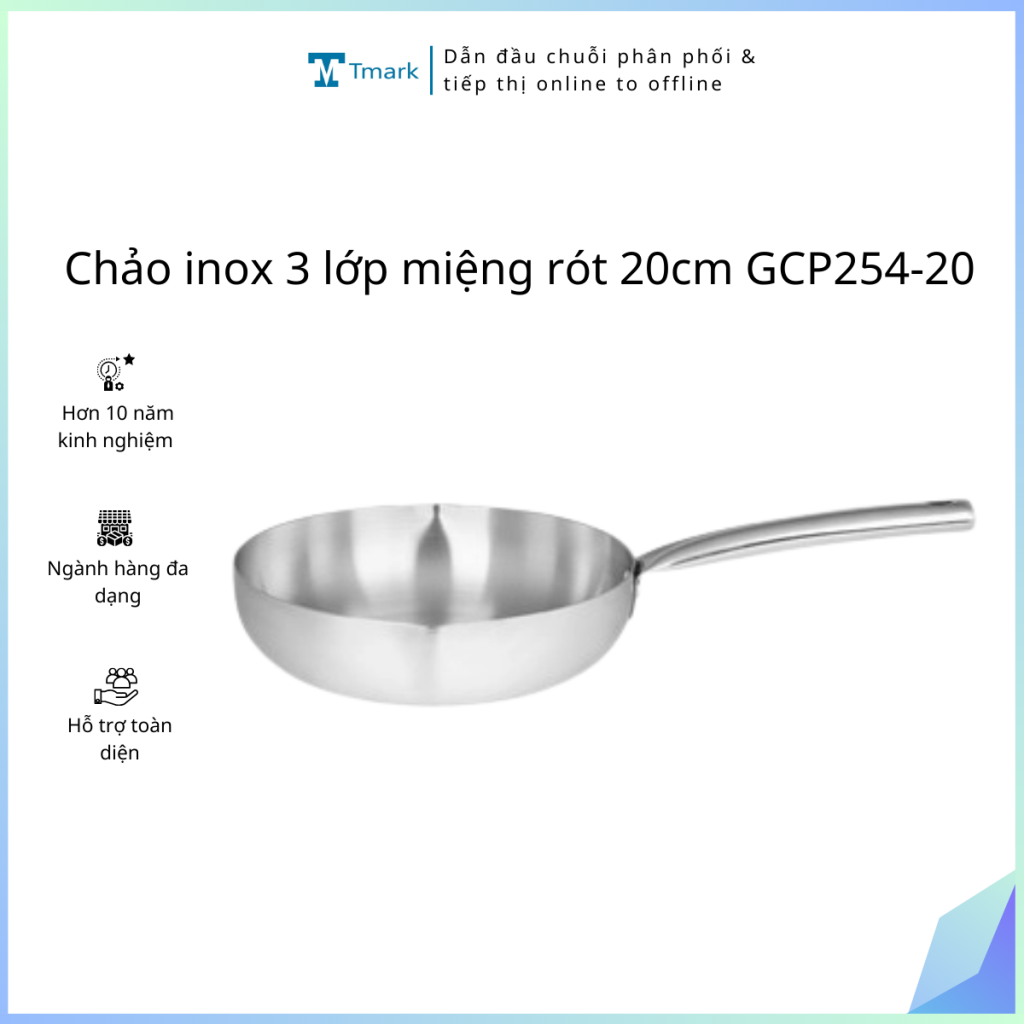
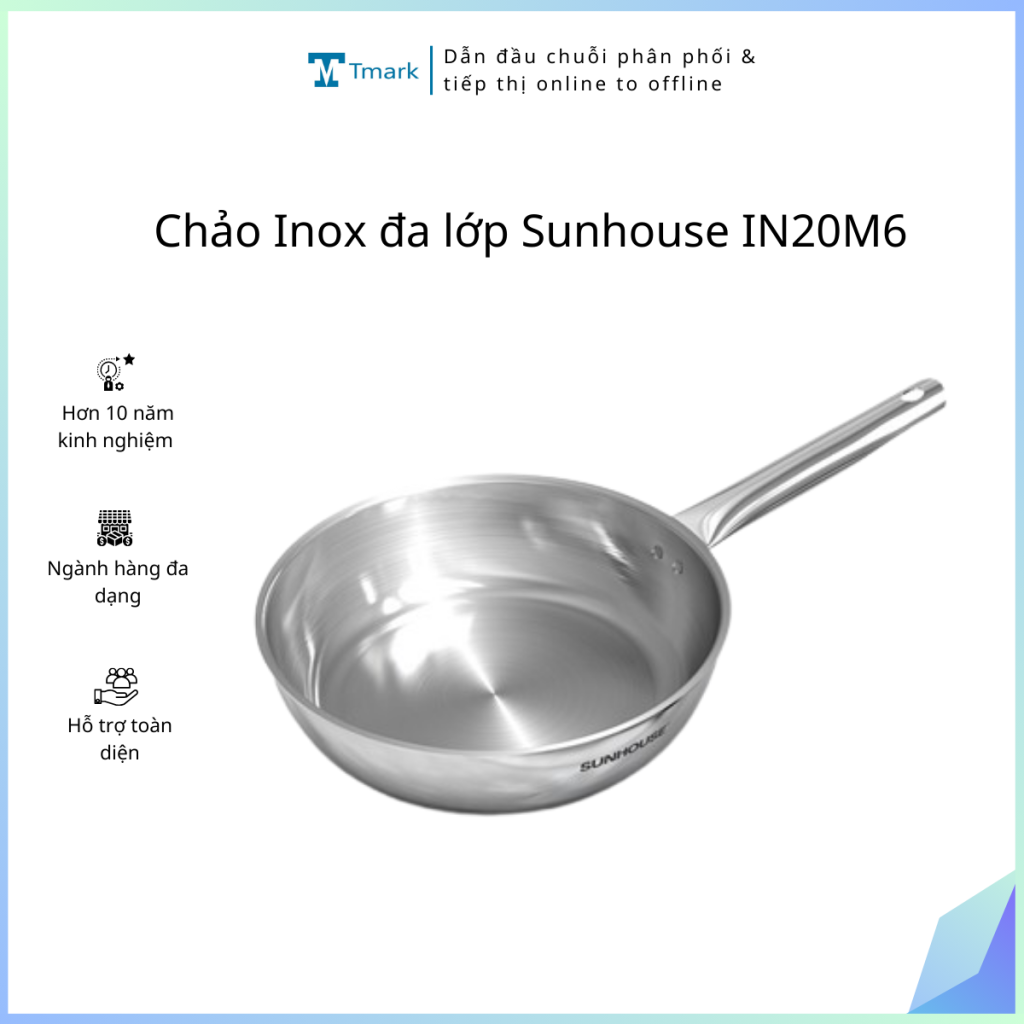
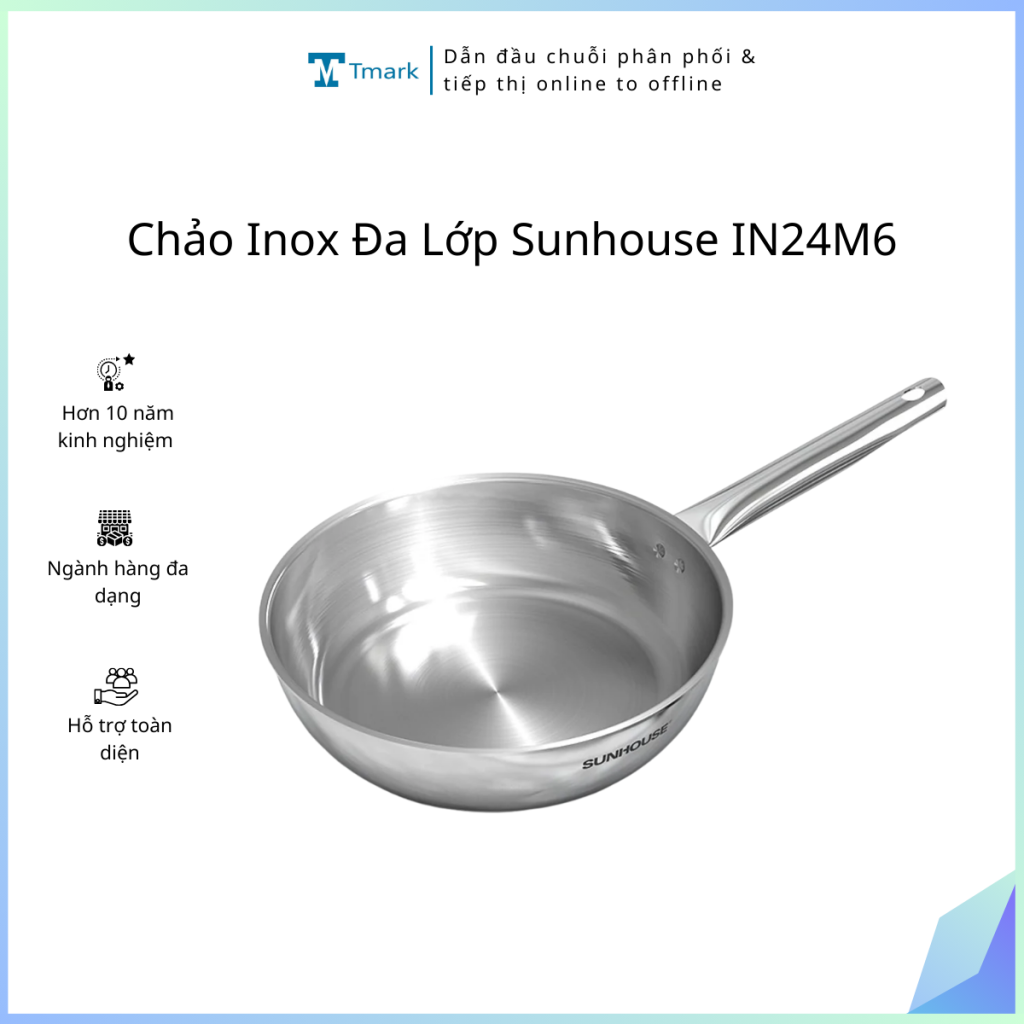
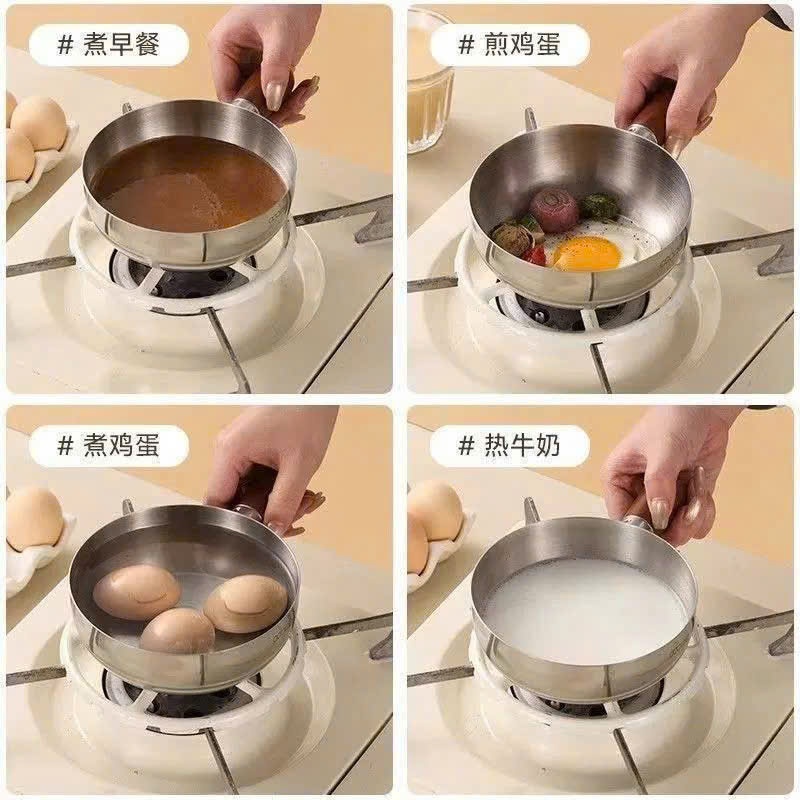
Chảo bằng thép không gỉ không sử dụng điện, dùng trong nhà bếp, kt (24*6)cm +/-10%.NSX:Yongkang jushihui daily necessities firm.Mới 100%
Giá gốc là: 71.830 ₫.65.300 ₫Giá hiện tại là: 65.300 ₫.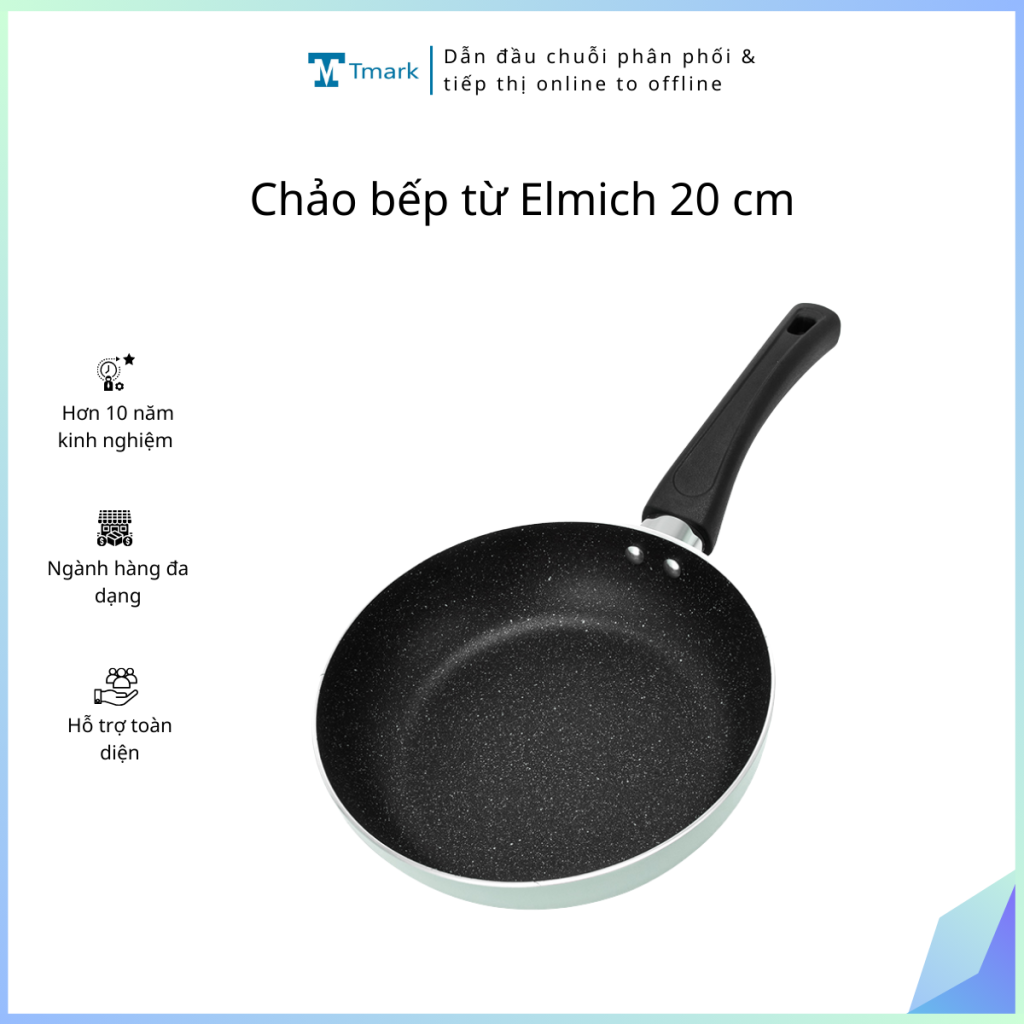
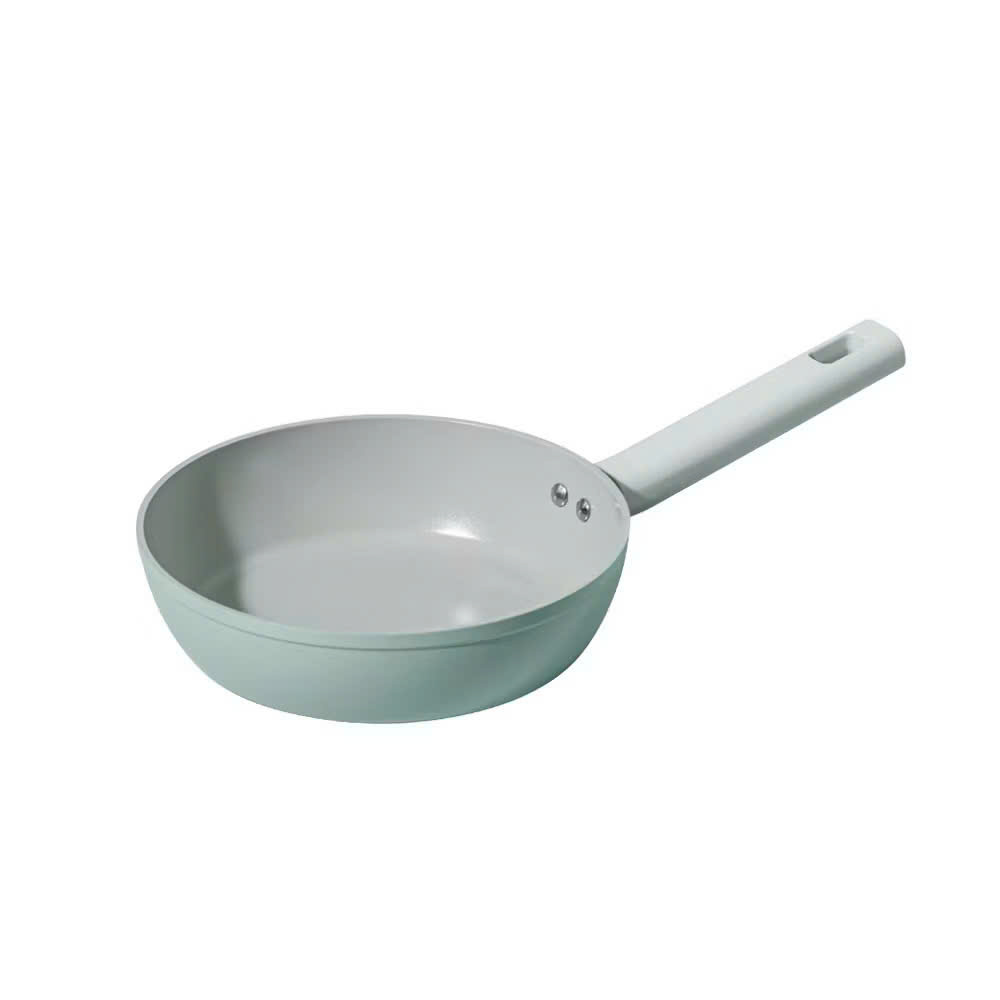
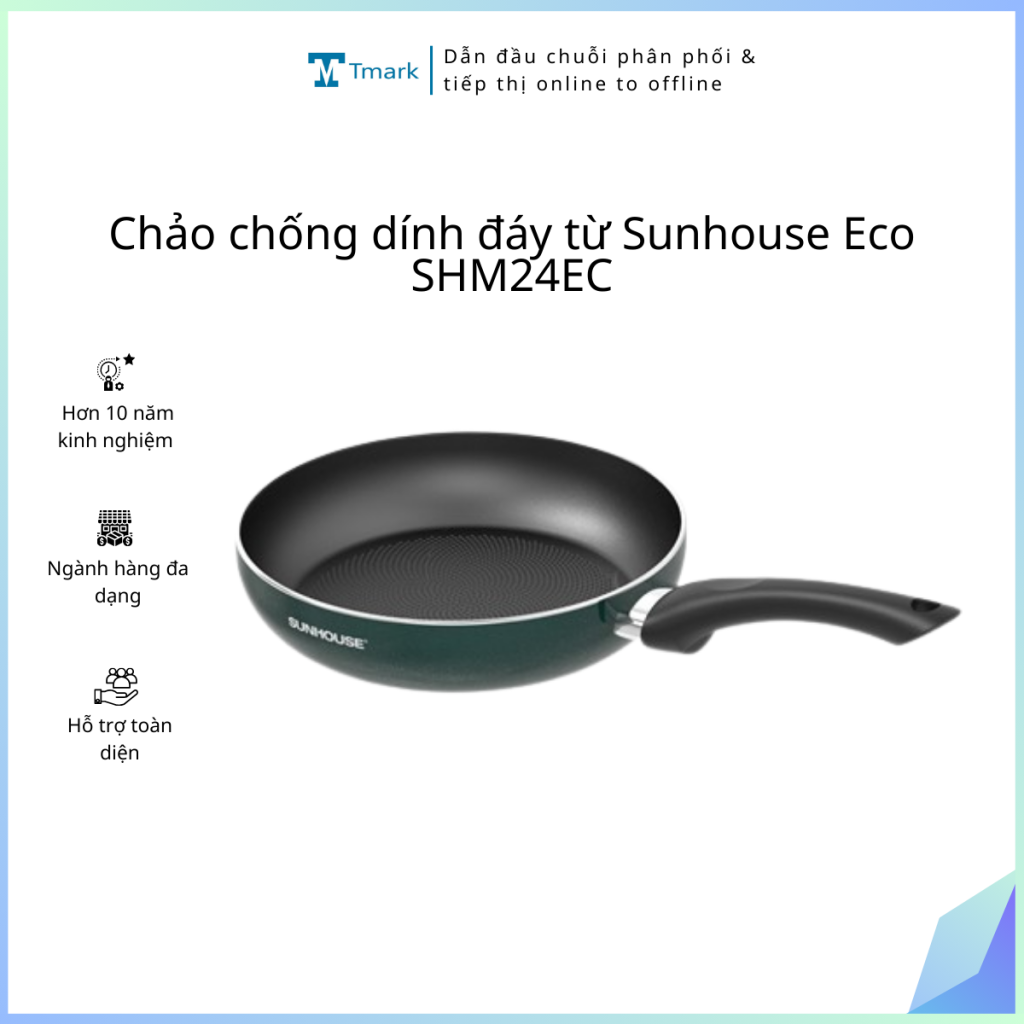
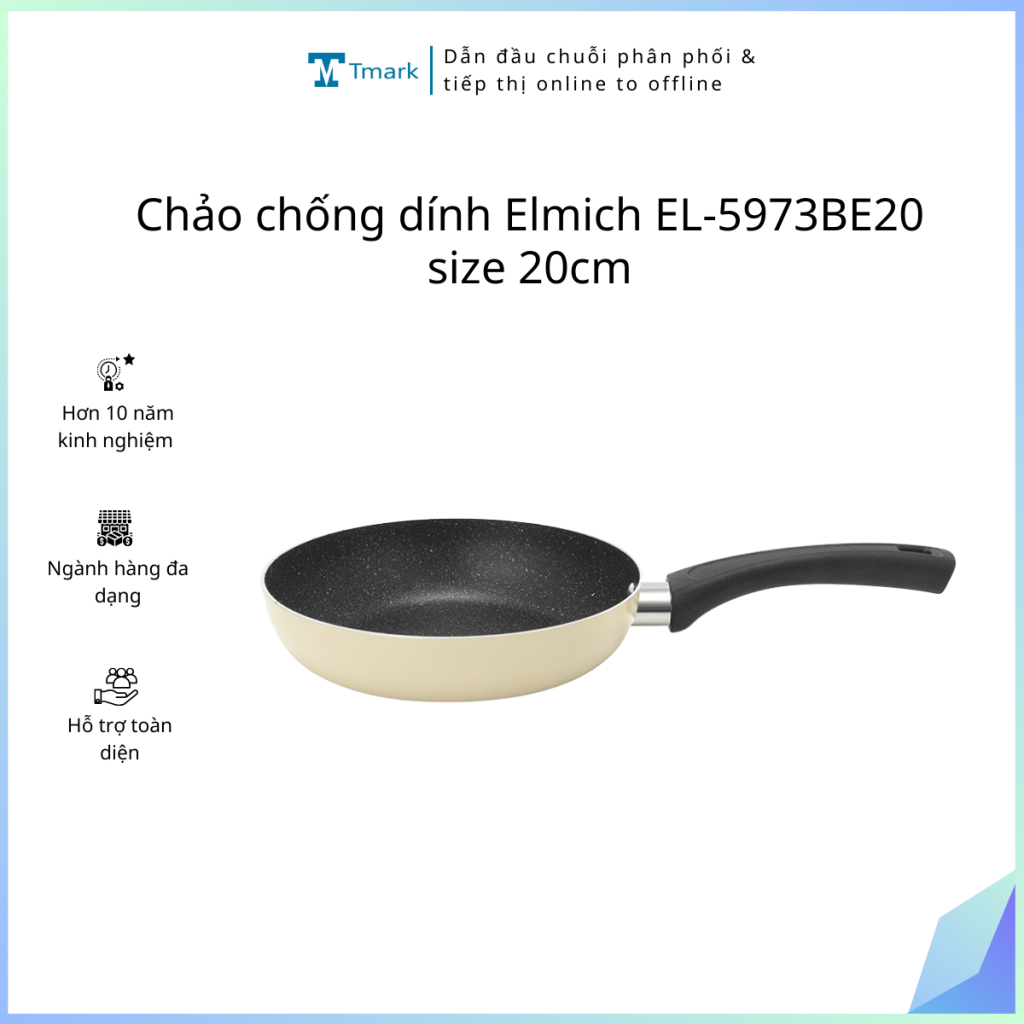
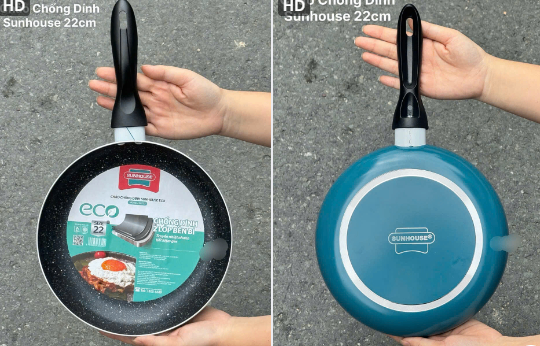
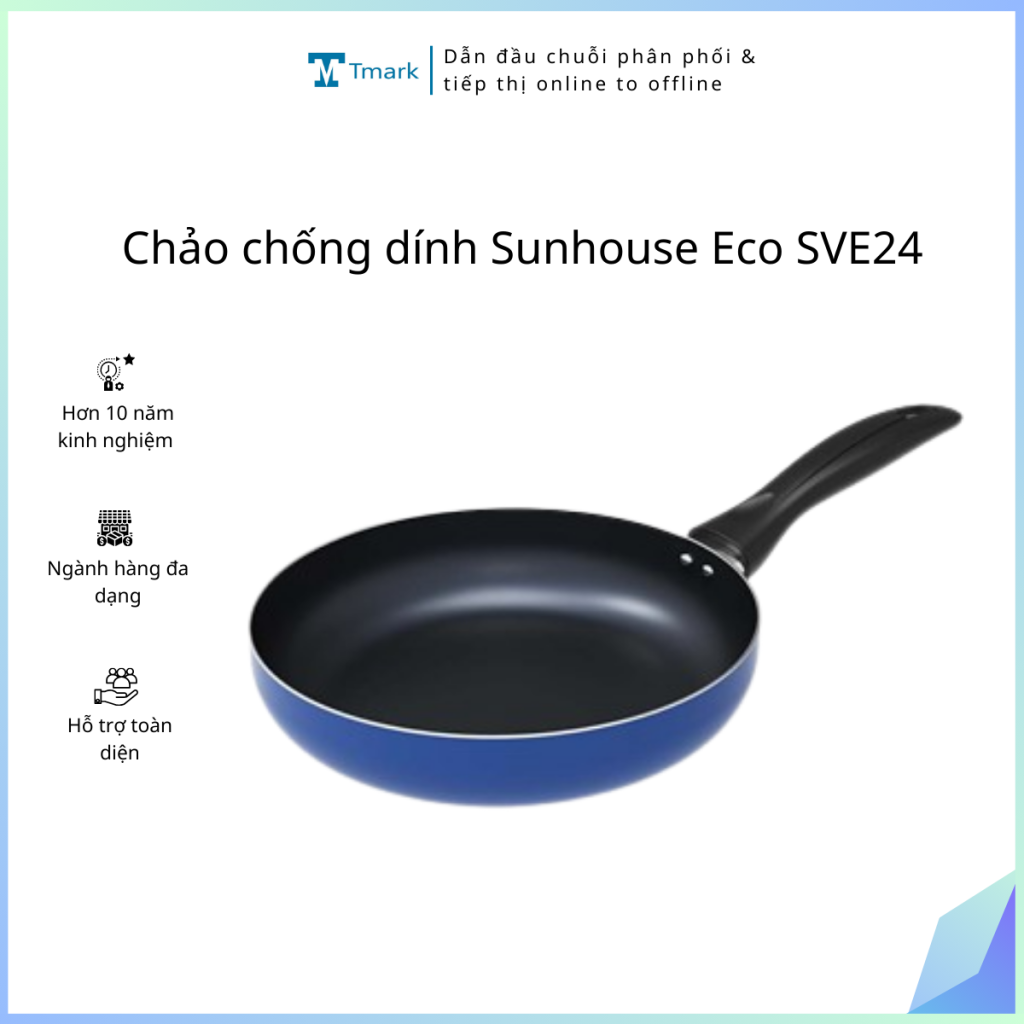
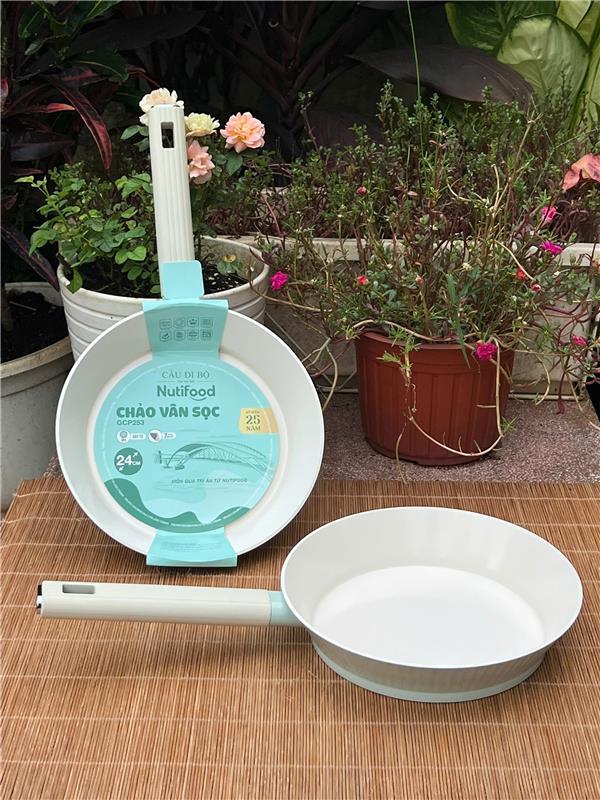
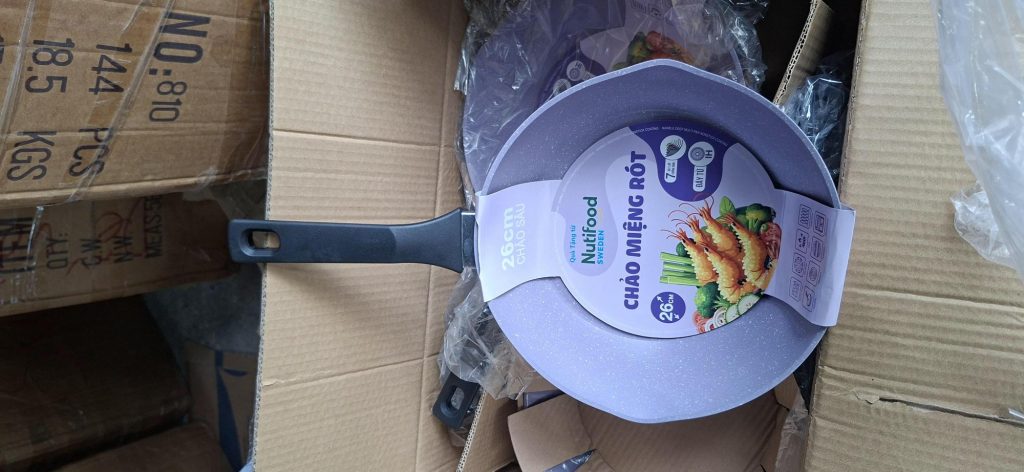
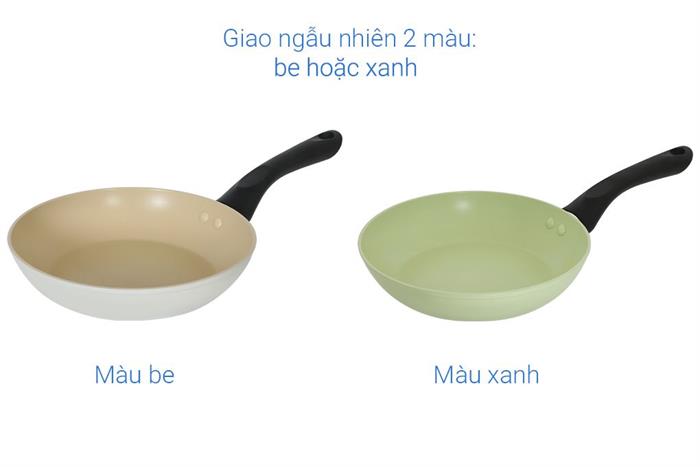
Chảo chống dính đáy từ Sunhouse Eco SHM24EC
Đồ gia dụng Sỉ đồ dùng nhà bếp Nhà bếp Quà tặng 8/3, 20/10 Quà tặng doanh nghiệp Quà tặng công nhân Quà tặng Marketing Quà tặng cuối năm Quà tặng khuyến mãi Quà tặng gia dụng Quà tặng khách hàng Quà tặng nhân viên Quà tặng phụ nữ Quà tặng quảng cáo Đồ gia dụng>Nhà bếp Quà sự kiện Quà tặng sự kiện
197.800 ₫