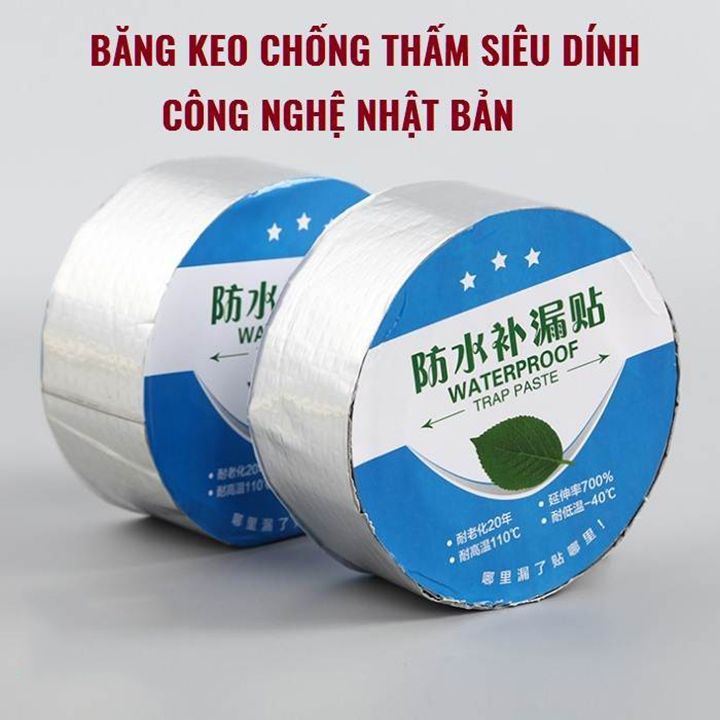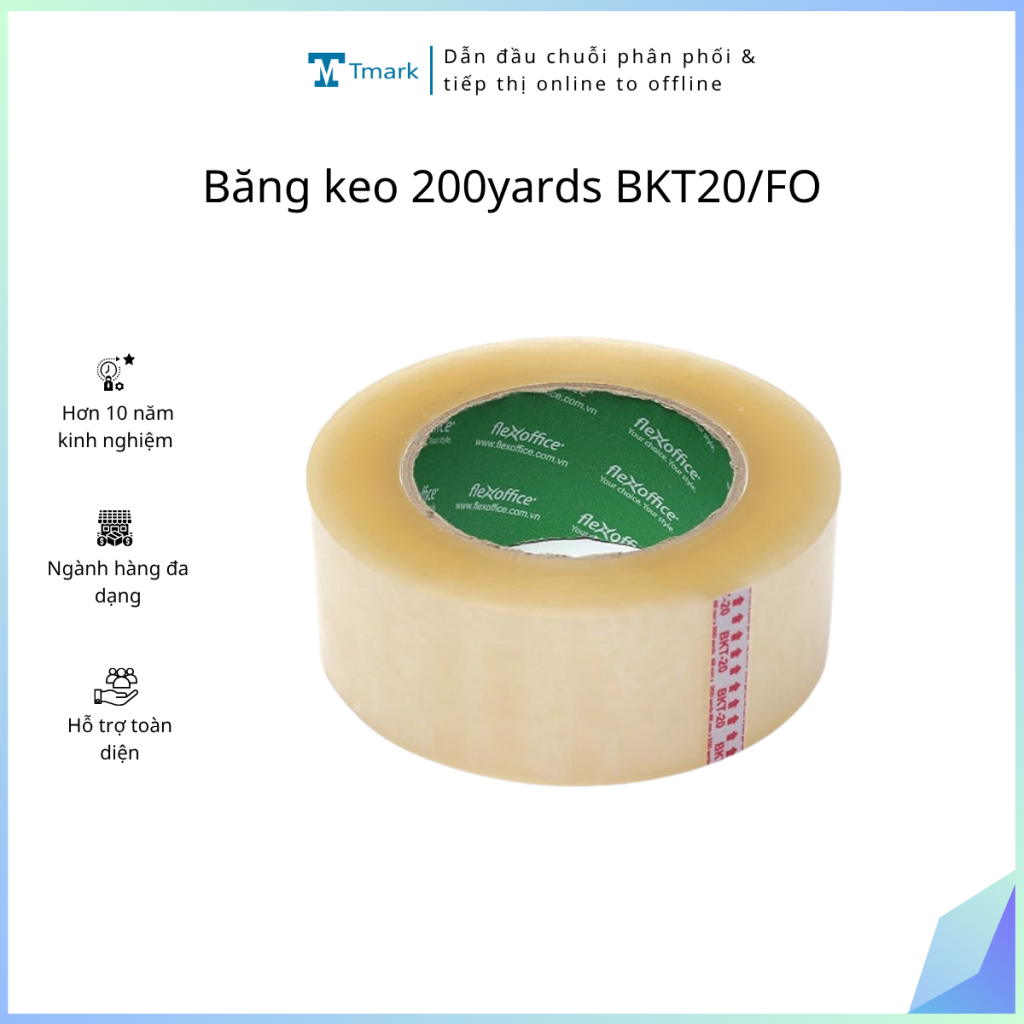
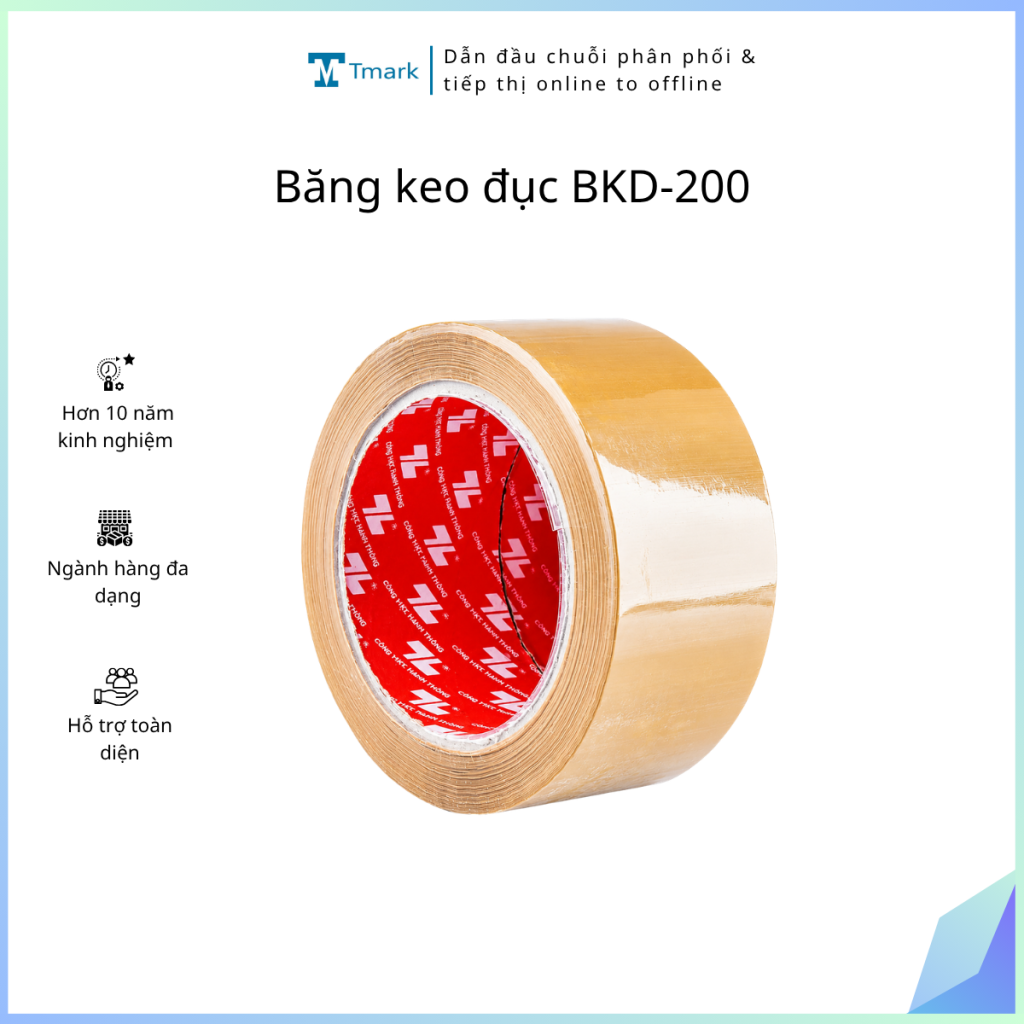
Băng keo lưới cuộn to (Kiện 90 cuộn)
Bộ 2 lõi cây lăn bụi quần áo Tmark (cỡ 10cm) Tmark (Kiện 150 bộ)
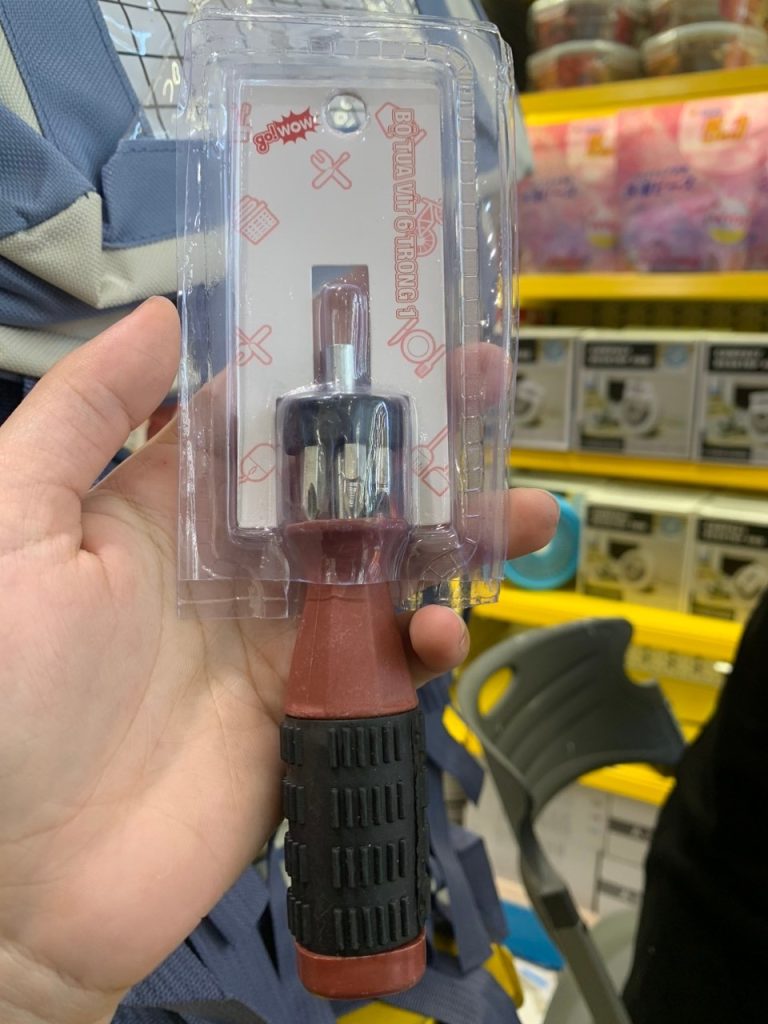
Bộ tua vít 6 in 1
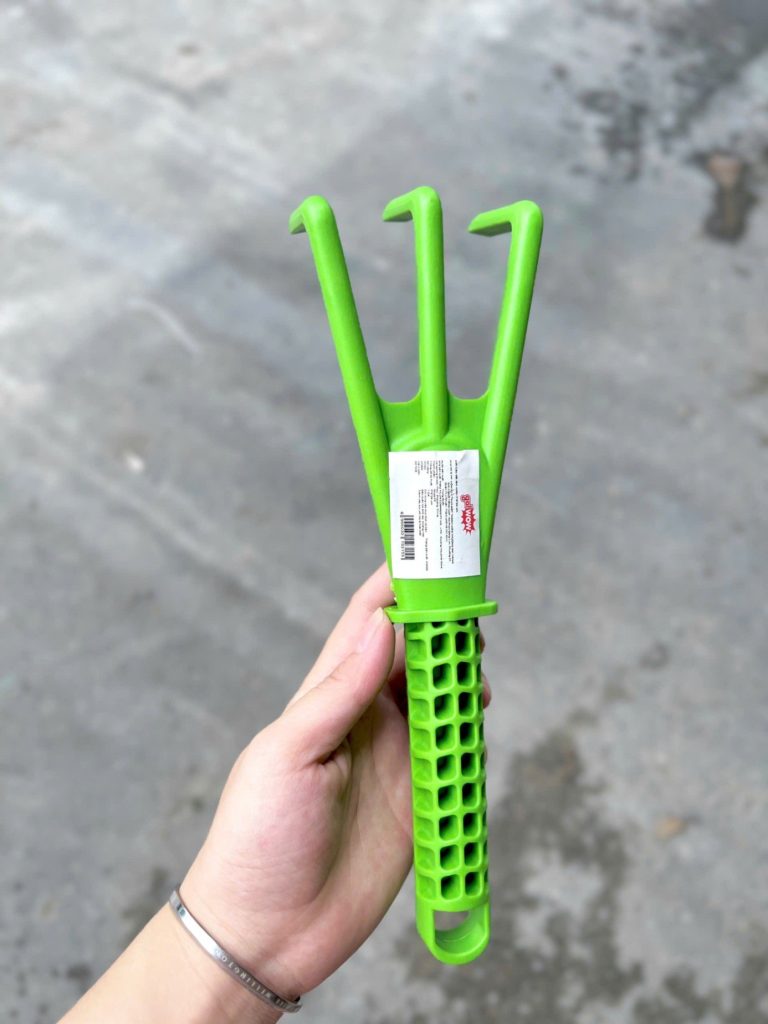
Cào xanh 3 chấu (kiện 308 cái)
Cây lăn bụi quần áo 2 lõi 10cm (Kiện 200 cái)
Hộp kim chỉ 3 tầng 16 cuộn (Kiện 120 hộp)
Móc phơi đồ 40 kẹp (kiện 200 cái)
Ổ khóa chống trộm inox (Kiện 72 cái)
Set 2 lõi lăn bụi Look Kool (Kiện 200 set)
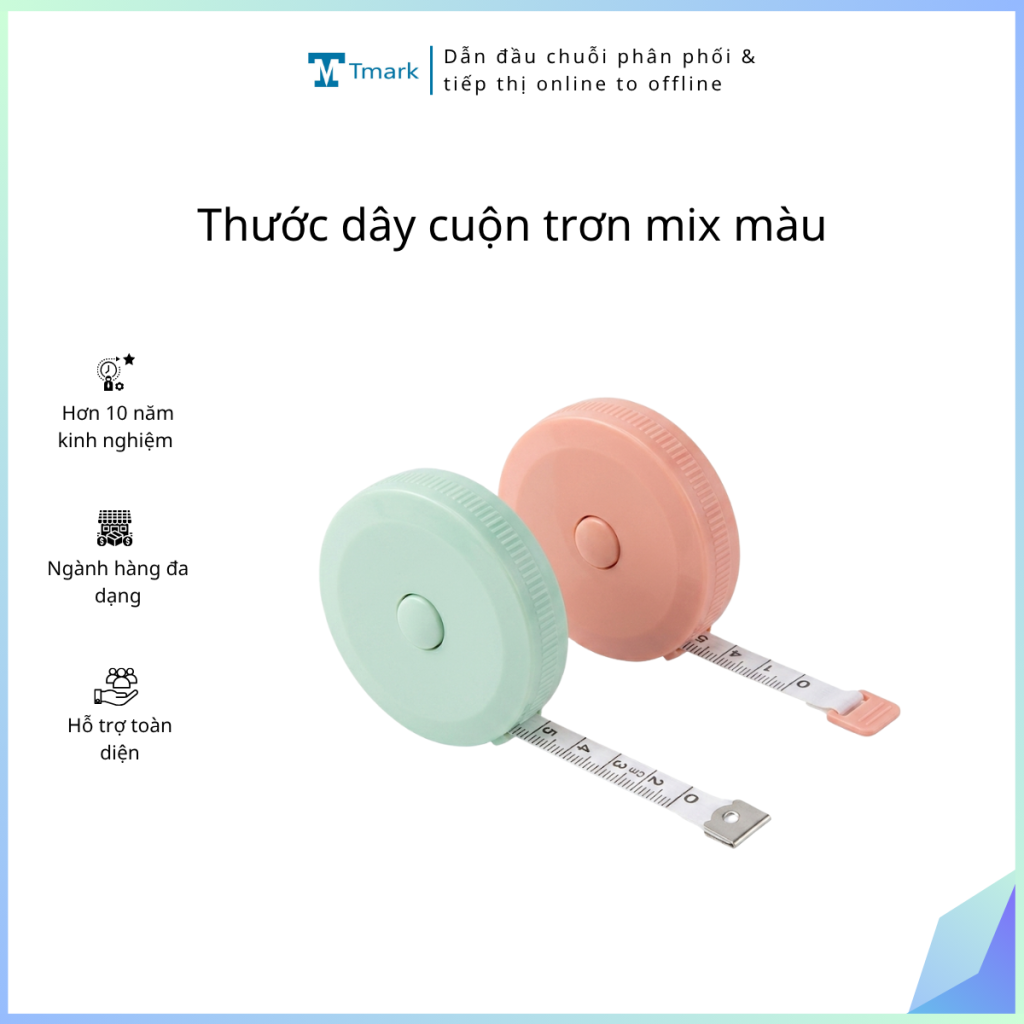
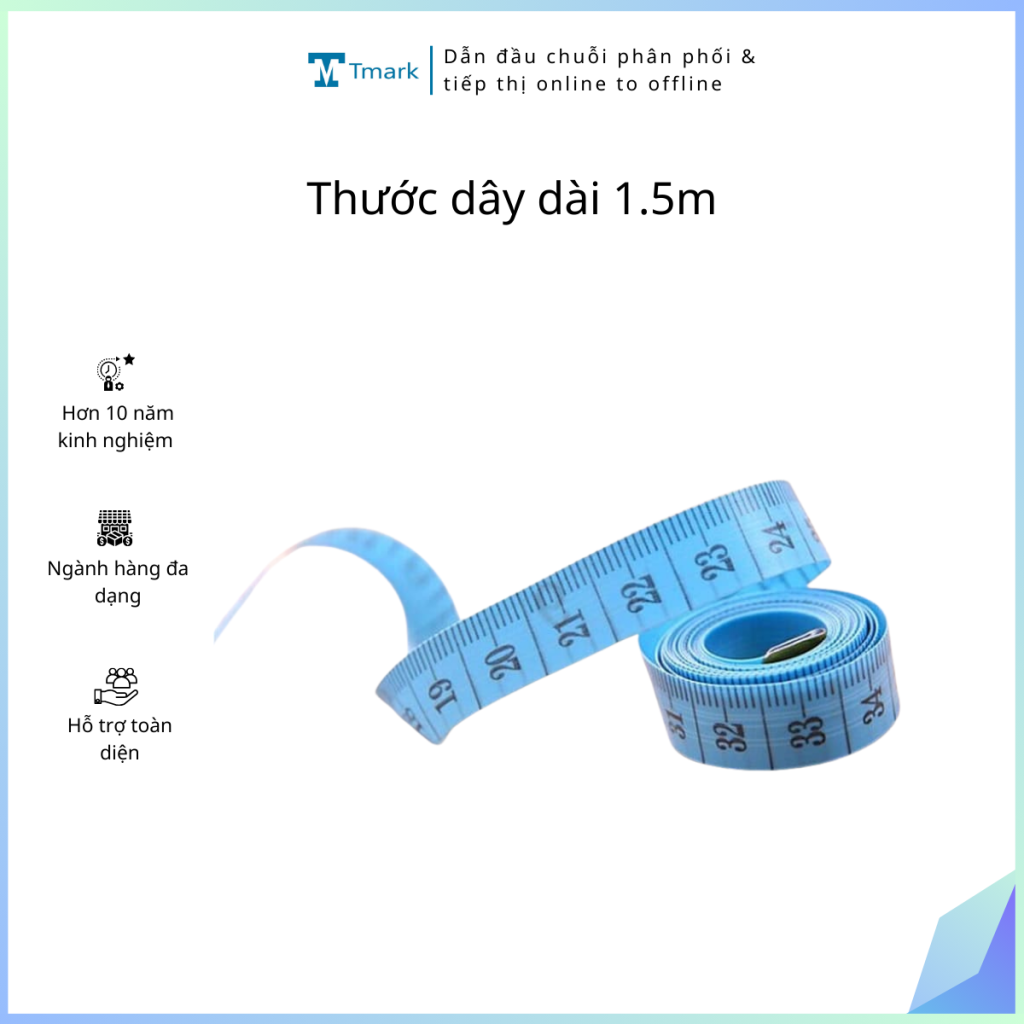
Thước cuộn 5m (Kiện 200 cái) – 24
Vali EnSure (Kiện 20 cái)
Online store of household appliances and electronics
Then the question arises: where’s the content? Not there yet? That’s not so bad, there’s dummy copy to the rescue. But worse, what if the fish doesn’t fit in the can, the foot’s to big for the boot? Or to small? To short sentences, to many headings, images too large for the proposed design, or too small, or they fit in but it looks iffy for reasons.
A client that’s unhappy for a reason is a problem, a client that’s unhappy though he or her can’t quite put a finger on it is worse. Chances are there wasn’t collaboration, communication, and checkpoints, there wasn’t a process agreed upon or specified with the granularity required. It’s content strategy gone awry right from the start. If that’s what you think how bout the other way around? How can you evaluate content without design? No typography, no colors, no layout, no styles, all those things that convey the important signals that go beyond the mere textual, hierarchies of information, weight, emphasis, oblique stresses, priorities, all those subtle cues that also have visual and emotional appeal to the reader.