
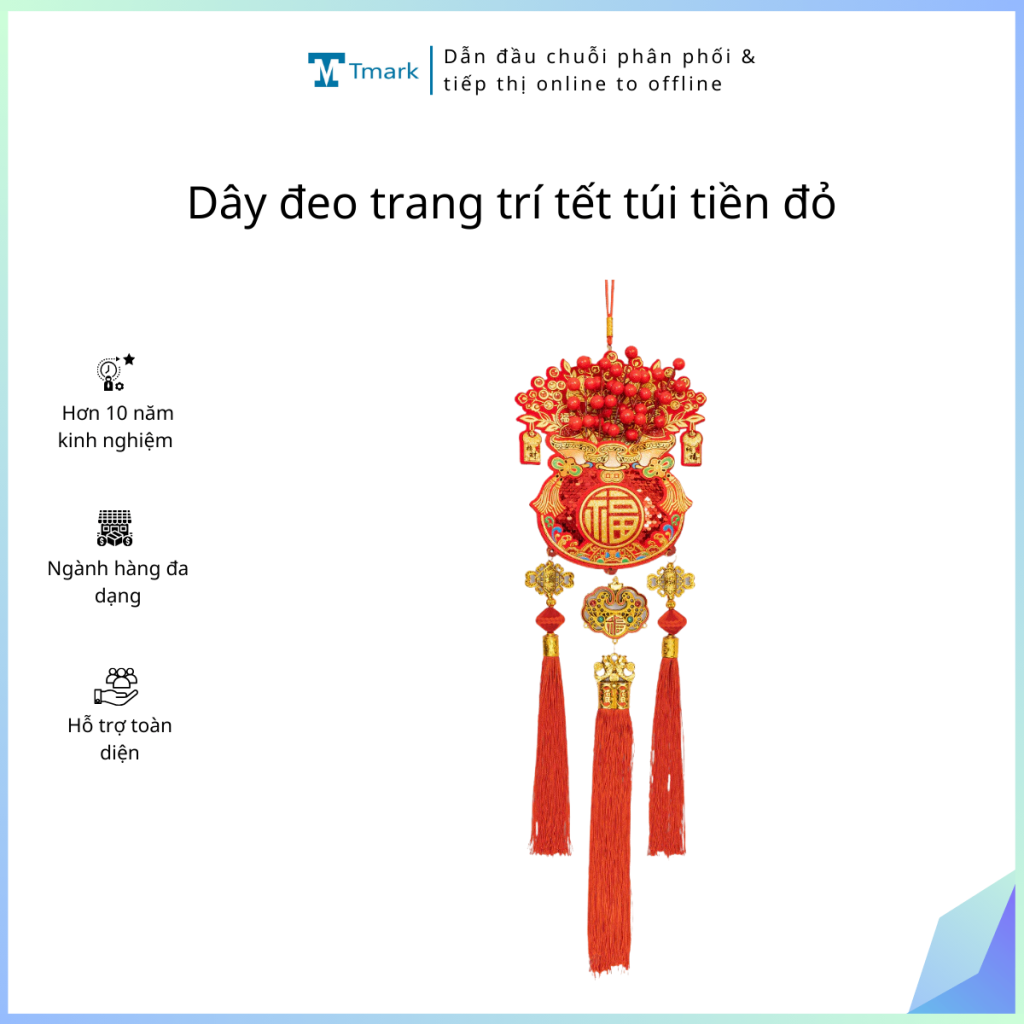
Dây đeo trang trí tết túi tiền đỏ may mắn (Kiện 100 cái
Nhà cửa Sỉ đồ trang trí nhà cửa Quà tặng cuối năm Quà tặng dịp lễ Quà tặng trang trí Quà Tết Sỉ đồ dùng sân vườn Trang trí nhà cửa
Giá gốc là: 29.590 ₫.26.900 ₫Giá hiện tại là: 26.900 ₫.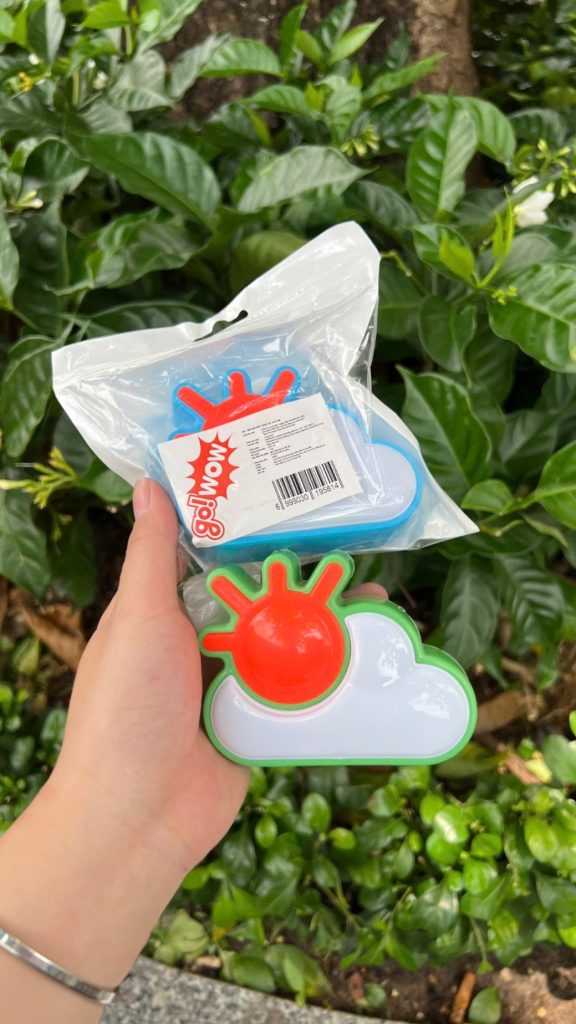
Đèn ngủ Go (Kiện 300 cái)
Giá gốc là: 12.650 ₫.11.500 ₫Giá hiện tại là: 11.500 ₫.
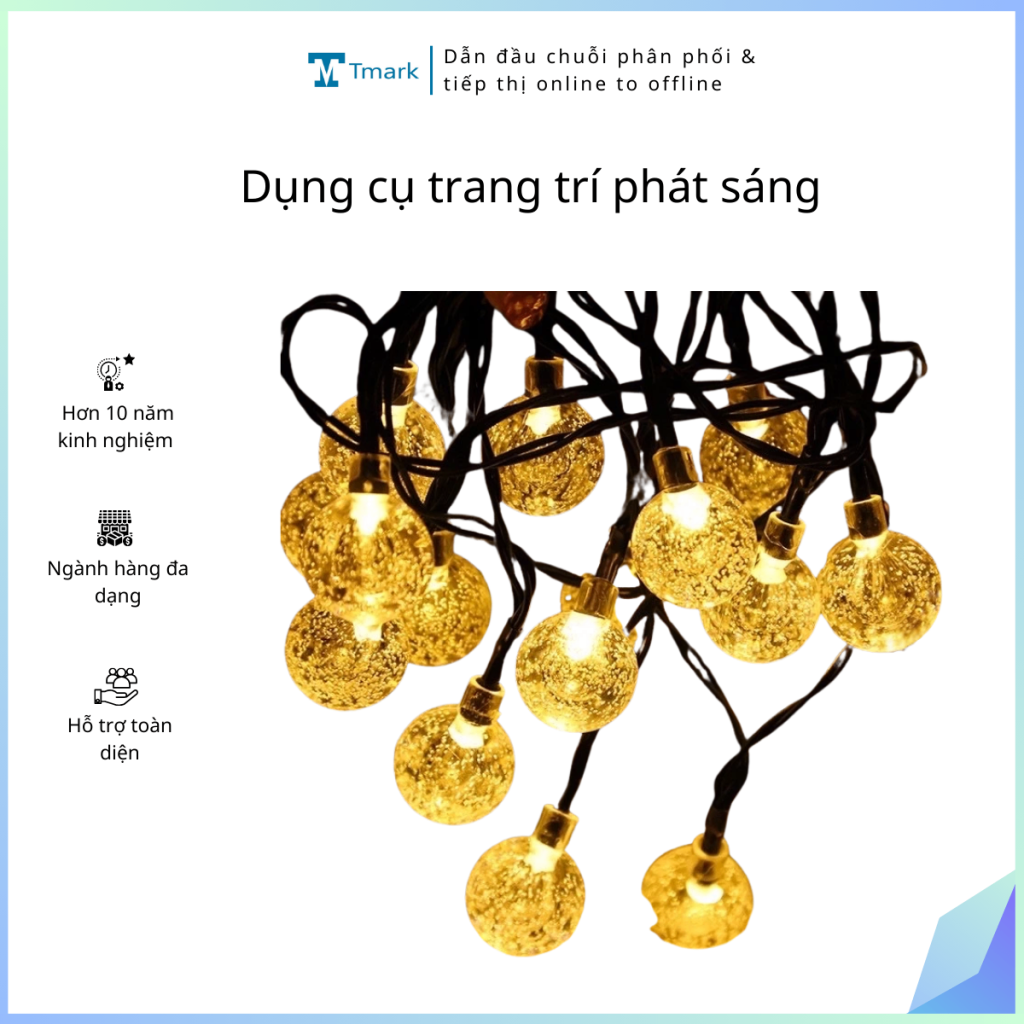
Dụng cụ trang trí phát sáng
Sỉ đồ trang trí nhà cửa Quà tặng cuối năm Quà tặng trang trí Sân vườn Sỉ đồ dùng sân vườn Trang trí nhà cửa Quà tặng theo mùa
Giá gốc là: 22.550 ₫.20.500 ₫Giá hiện tại là: 20.500 ₫.
Móc treo dây trang trí Tết – Ngựa may mắn xuân Bính Ngọ ( kiện 50 cái )
Quà tặng khuyến mãi Quà tặng trang trí Quà tặng cuối năm Quà tặng dịp lễ Quà tặng theo mùa Quà Tết Sỉ đồ trang trí nhà cửa Trang trí nhà cửa
Giá gốc là: 48.300 ₫.45.400 ₫Giá hiện tại là: 45.400 ₫.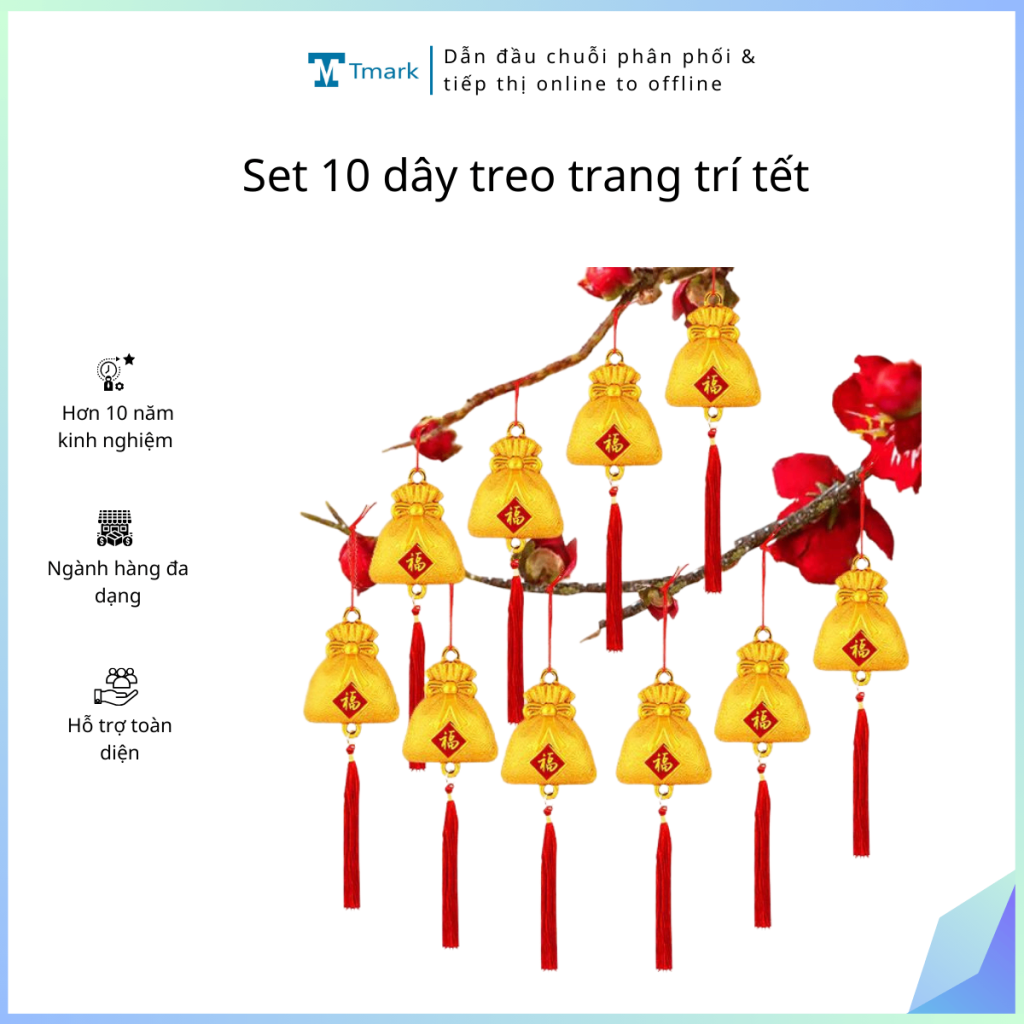
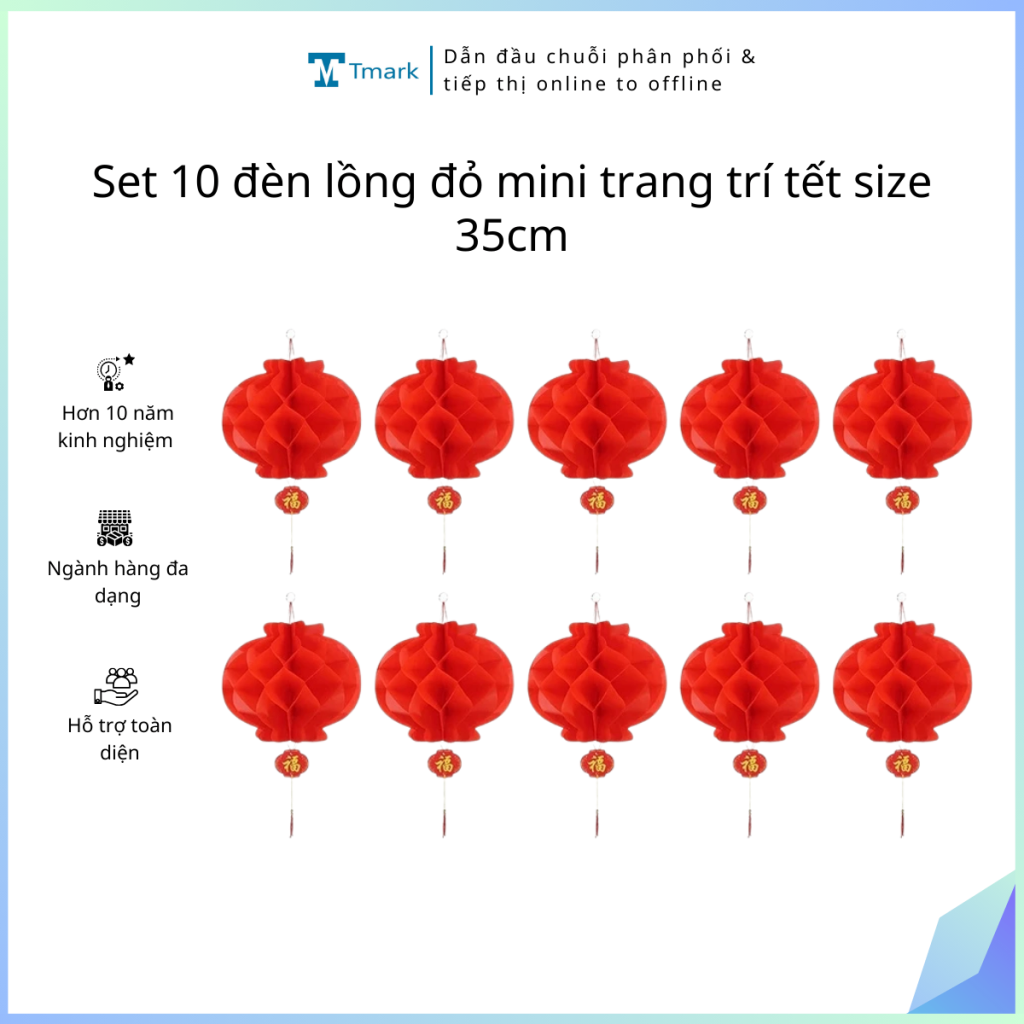
Set 10 đèn lồng đỏ mini trang trí tết size 35cm Tmark (Kiện 100 set)(Hàng nguyên kiện)
Quà tặng trang trí Quà tặng cuối năm Quà tặng dịp lễ Quà tặng ý nghĩa Quà tặng theo mùa Quà Tết Sân vườn Sỉ đồ dùng sân vườn Sỉ đồ trang trí nhà cửa Trang trí nhà cửa
Giá gốc là: 28.800 ₫.25.600 ₫Giá hiện tại là: 25.600 ₫.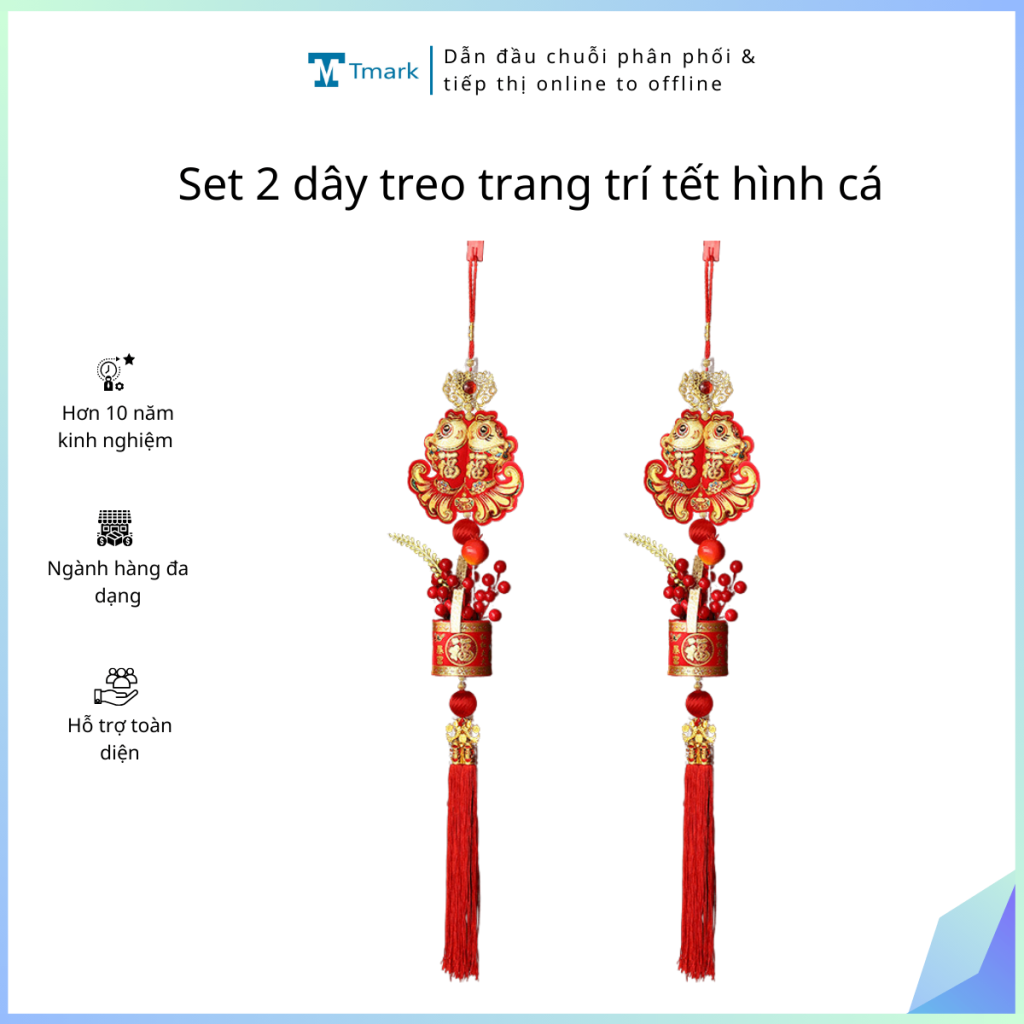
Set 2 dây treo trang trí tết hình cá (Kiện 100 set)
Quà tặng khuyến mãi Quà tặng trang trí Quà tặng Marketing Quà tặng cuối năm Quà tặng dịp lễ Quà tặng theo mùa Quà Tết Sỉ đồ trang trí nhà cửa Trang trí nhà cửa
Giá gốc là: 27.000 ₫.26.000 ₫Giá hiện tại là: 26.000 ₫.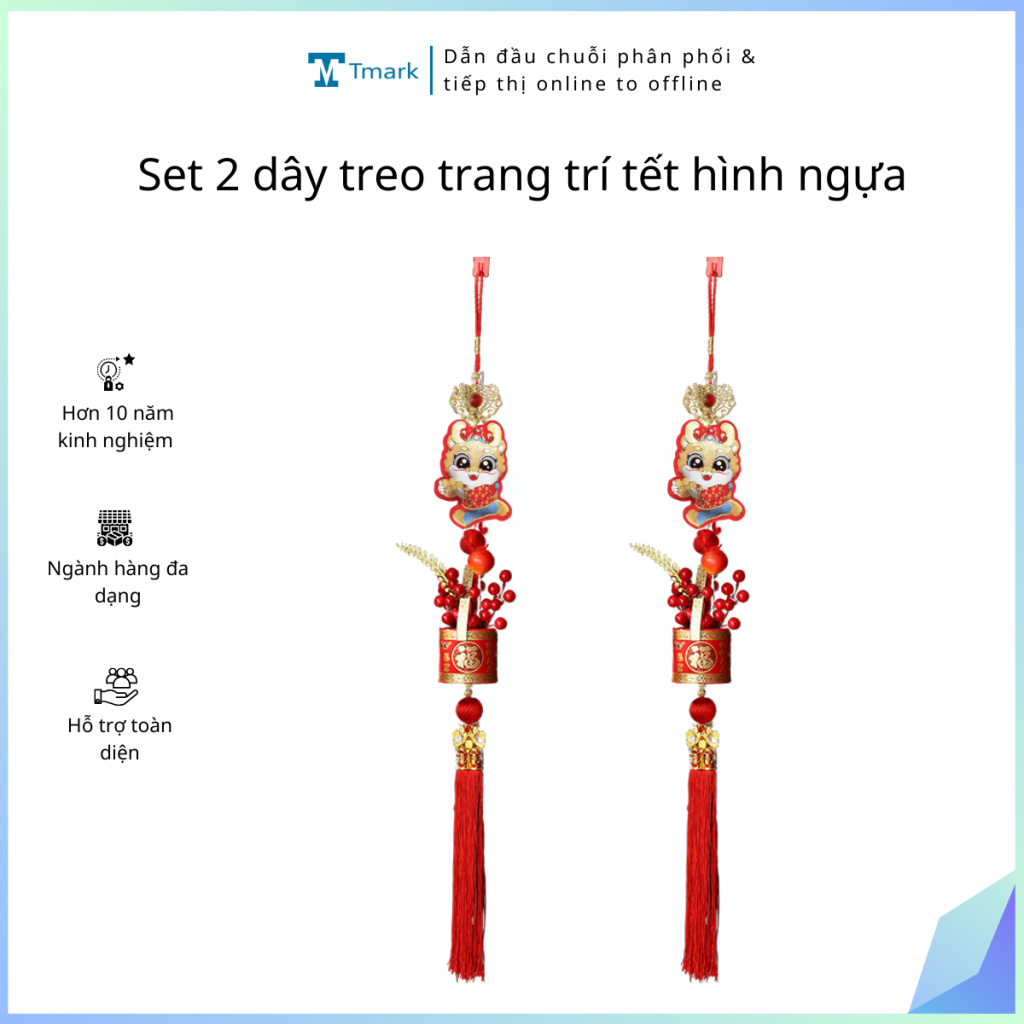
Set 2 dây treo trang trí tết hình ngựa (Kiện 100 set)
Quà tặng trang trí Quà tặng cuối năm Quà tặng dịp lễ Quà tặng theo mùa Quà Tết Nhà cửa Sỉ đồ trang trí nhà cửa Trang trí nhà cửa
Giá gốc là: 27.000 ₫.26.000 ₫Giá hiện tại là: 26.000 ₫.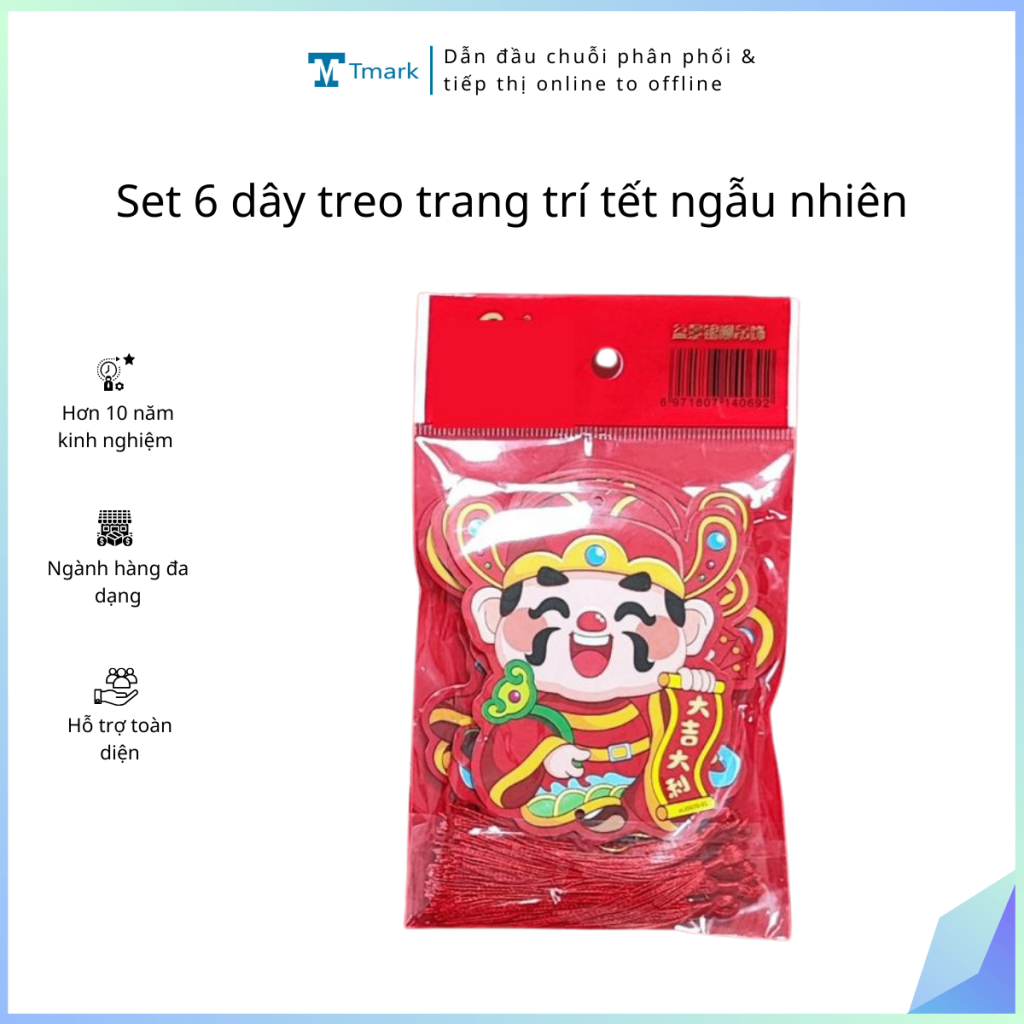
Set 6 dây treo trang trí tết ngẫu nhiên Tmark (Kiện 100 cái)
Quà tặng trang trí Quà tặng cuối năm Quà tặng ý nghĩa Quà Tết Nhà cửa Sỉ đồ trang trí nhà cửa Trang trí nhà cửa
Giá gốc là: 9.500 ₫.9.000 ₫Giá hiện tại là: 9.000 ₫.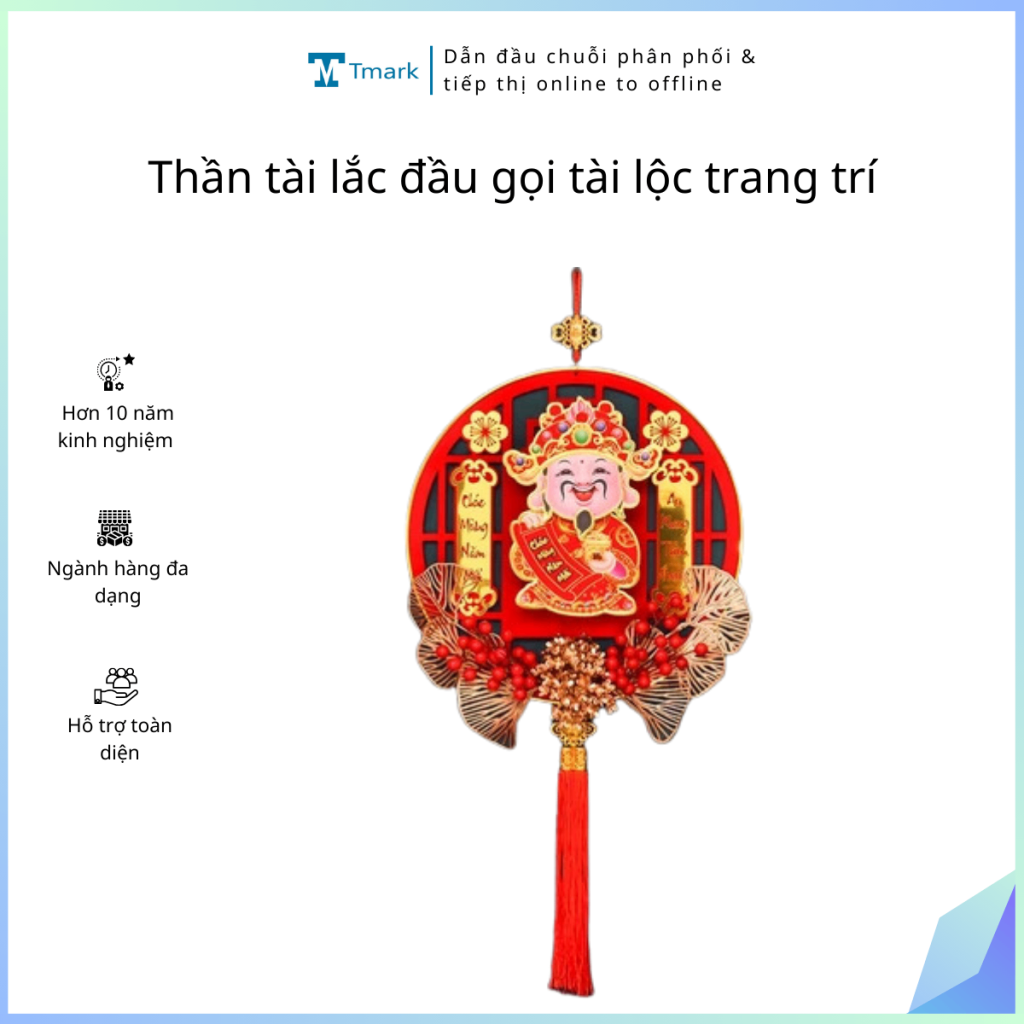
Thần tài lắc đầu gọi tài lộc trang trí Tmark (Kiện 100 cái)
Quà tặng khuyến mãi Quà tặng trang trí Quà tặng cuối năm Quà tặng dịp lễ Quà tặng gia dụng Quà tặng ý nghĩa Quà tặng theo mùa Quà Tết Nhà cửa Sỉ đồ trang trí nhà cửa Trang trí nhà cửa Quà tặng số lượng lớn
Giá gốc là: 54.000 ₫.48.000 ₫Giá hiện tại là: 48.000 ₫.
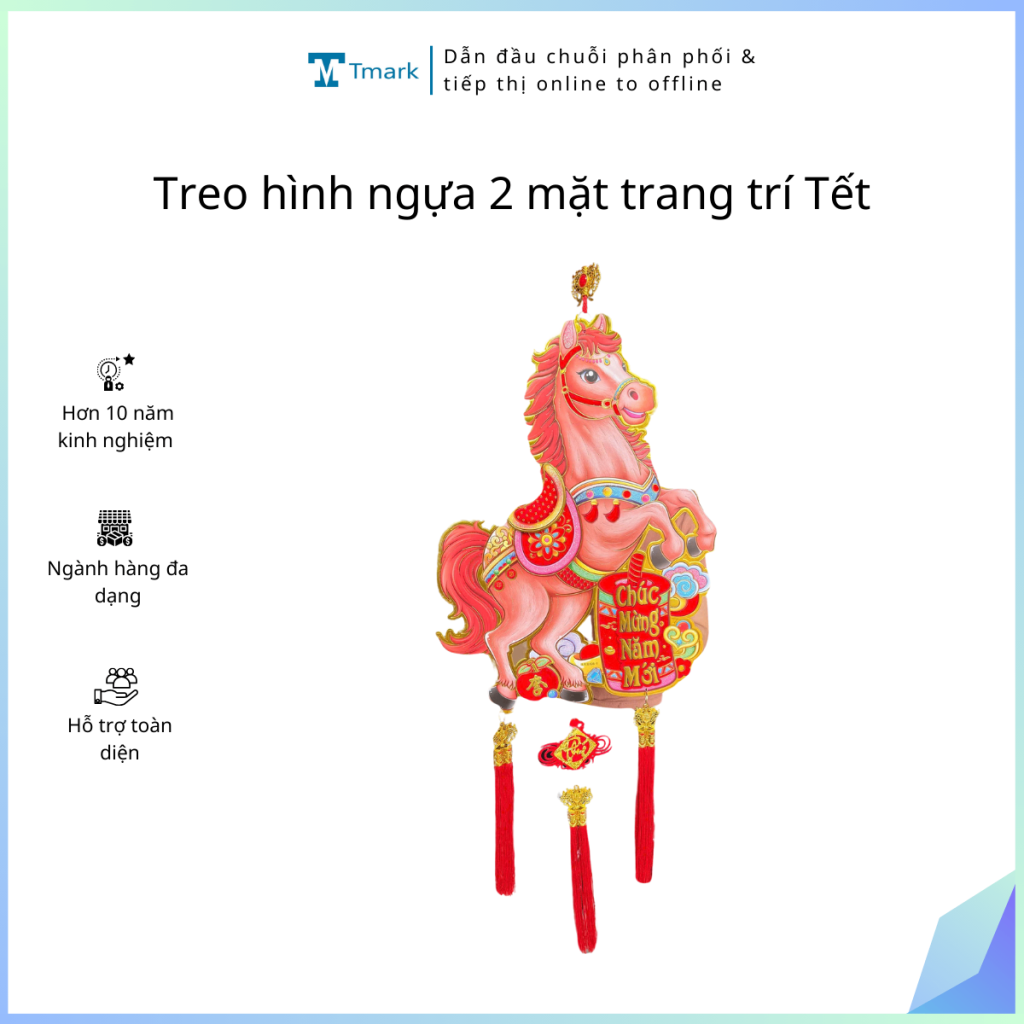
Treo hình ngựa 2 mặt trang trí tết Bính Ngọ 2026 ( kiện 100c)
Sỉ đồ trang trí nhà cửa Quà minigame Quà tặng cuối năm Quà tặng dịp lễ Quà tặng trang trí Quà tặng theo mùa Quà Tết Trang trí nhà cửa
Giá gốc là: 76.800 ₫.72.300 ₫Giá hiện tại là: 72.300 ₫.